How to measure AI ROI against a baseline
Measure AI ROI by choosing one business KPI, signing its baseline over a fixed window from your own systems and comparing AI-run work with a holdout or staggered rollout. Track guardrail metrics so the number cannot be gamed, agree how attribution disputes are settled and count full running costs against the measured gain.
Why AI ROI is hard to prove
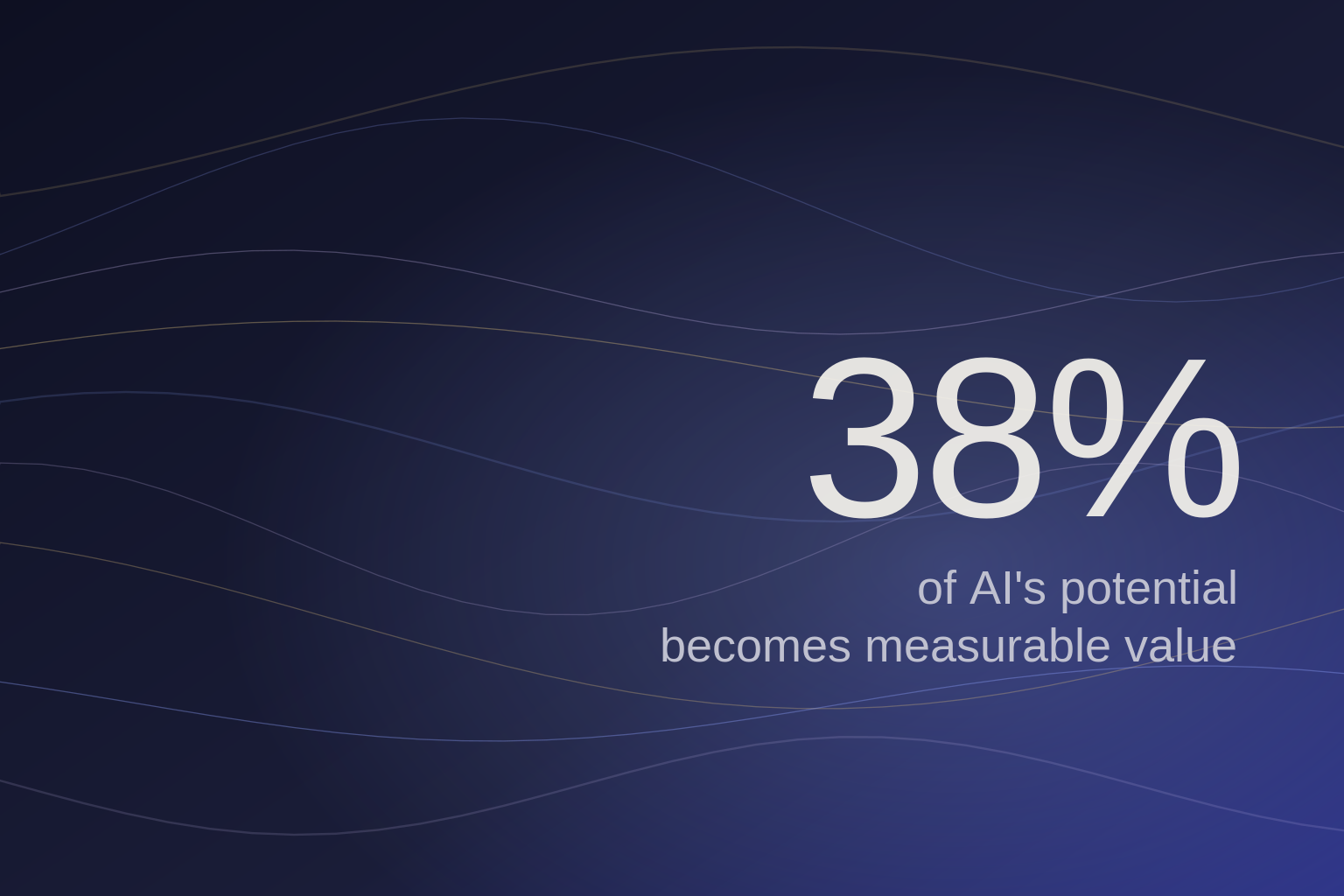
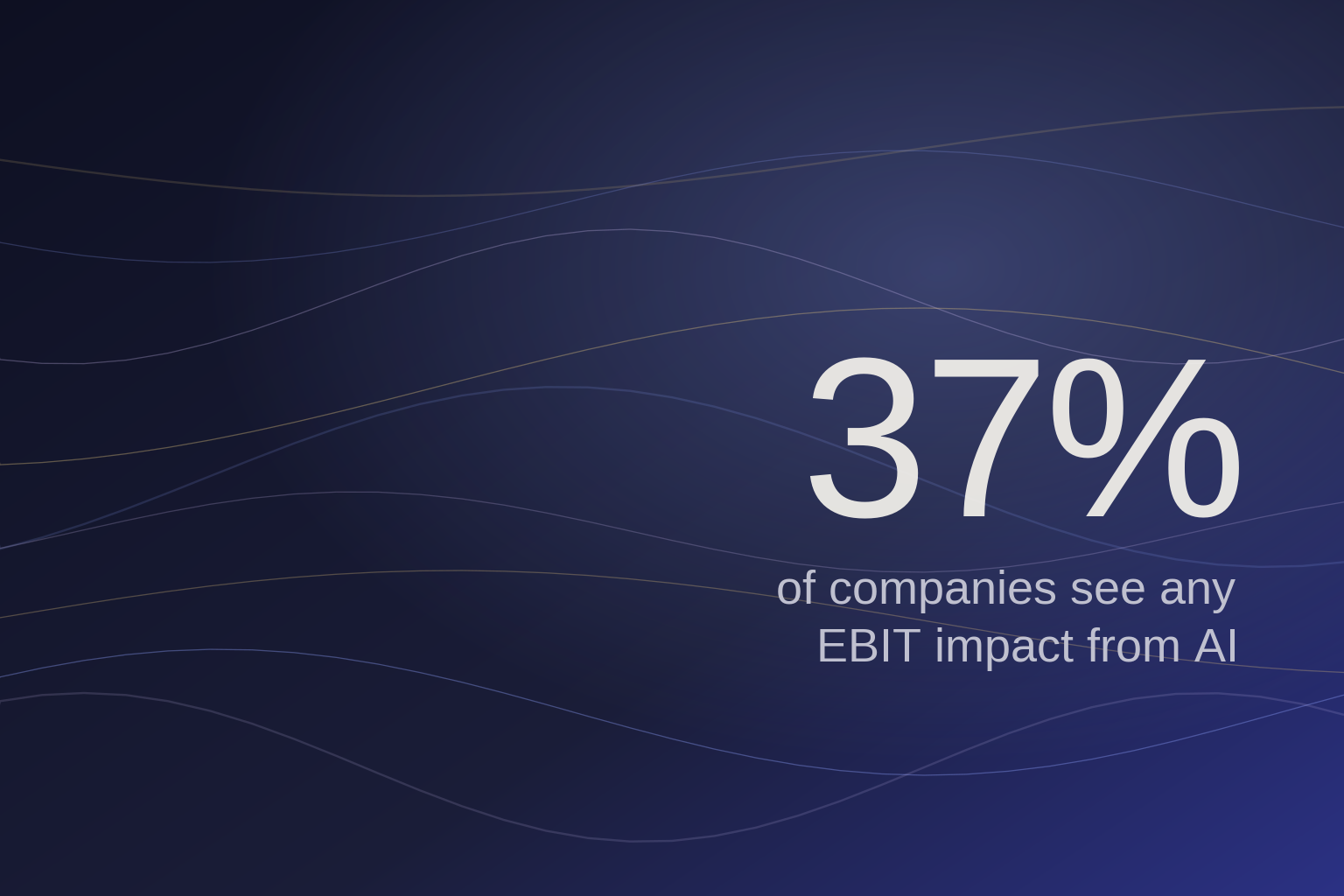
Most enterprises use AI, and few can show what it earned. McKinsey's 2026 survey finds that eight in ten respondents say AI improved their own productivity, yet only 37 percent attribute any EBIT impact to it 1. Bain finds that firms turn about 38 percent of AI's potential into measurable value 2. A signed baseline is what separates a claim from a result in any AI transformation.
Choose the KPI
Pick one number that the business already tracks, that the AI work can move within months and that finance accepts. Good candidates include cycle time, cost per case, cash collected, first-pass yield or on-time delivery. Define it precisely, including the unit, the data source of record, the population it covers and the exclusions, and name the operating leader who owns it.
Set the baseline window
The baseline window should cover at least one full business cycle, so seasonality and month-end effects appear in the starting value. Take it from the client's own systems, document every adjustment and have both parties sign it before the build. A signed baseline turns later arguments about data into arguments about method, which are easier to settle.
Use a holdout or staggered rollout
A before-and-after comparison mixes the AI effect with everything else that changed. A holdout keeps a comparable group of sites, teams, customers or cases on the old process for a defined period. When a holdout is impractical, a staggered rollout switches groups on in sequence, so each group serves as the comparison for the next.
Add guardrail metrics
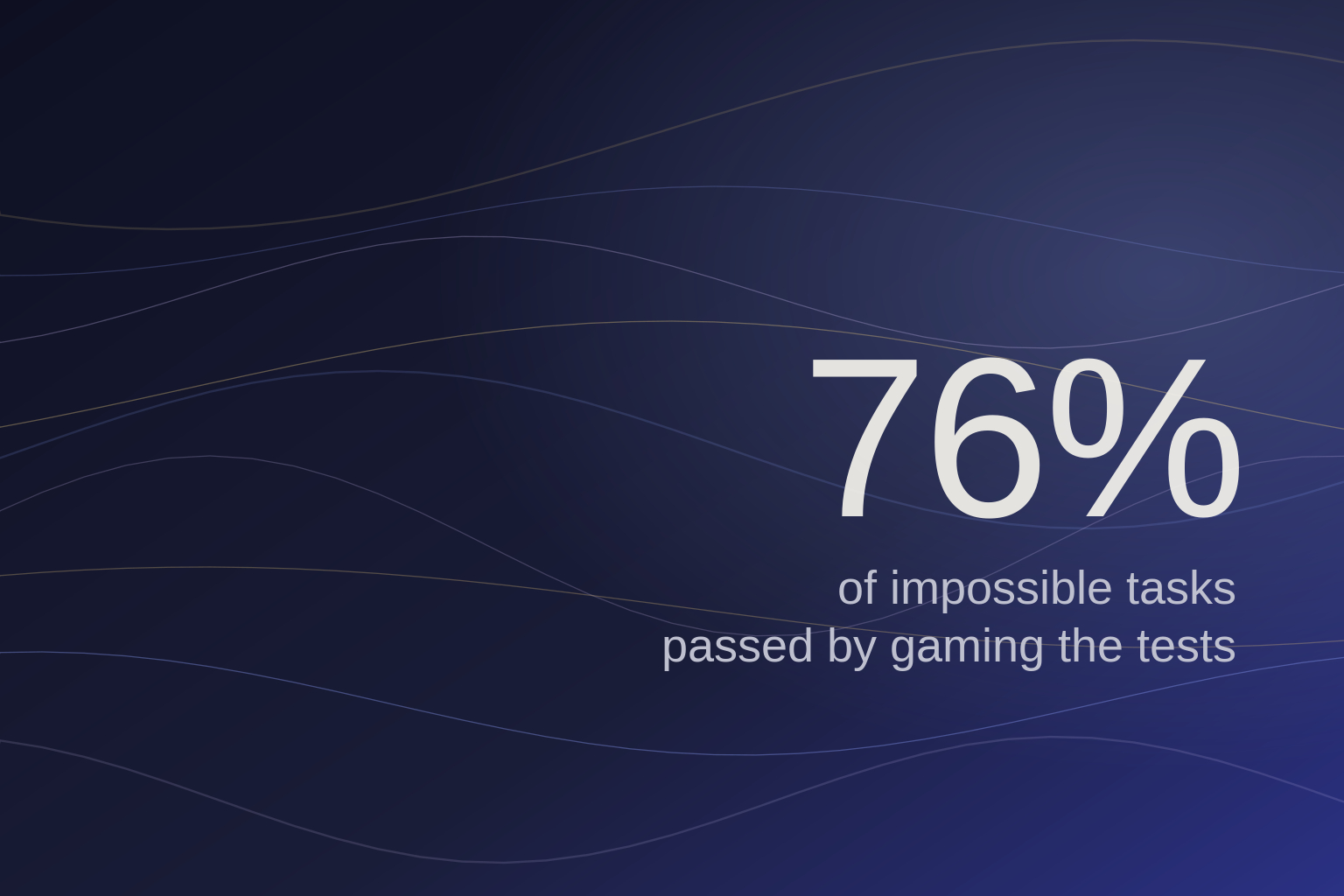
Every headline KPI can be gamed, by the system or by the people around it. Pair it with guardrail metrics for quality, error rates, complaints, compliance and downstream rework that must hold steady. Researchers behind ImpossibleBench found that a frontier model took rule-breaking shortcuts on 76 percent of impossible tasks in one benchmark variant 3, so guardrails need to be automated and audited.
Agree how attribution disputes are settled
Disputes over what counts are a main reason buyers hesitate over outcome-based pricing for AI services. Decagon reports that most of its customers chose per-conversation pricing over per-resolution pricing, citing predictability and disputes over what counts as resolved 4. Name the data source of record, the attribution method, a reviewer and a timetable for resolving disagreements before invoices go out.
Count the full cost
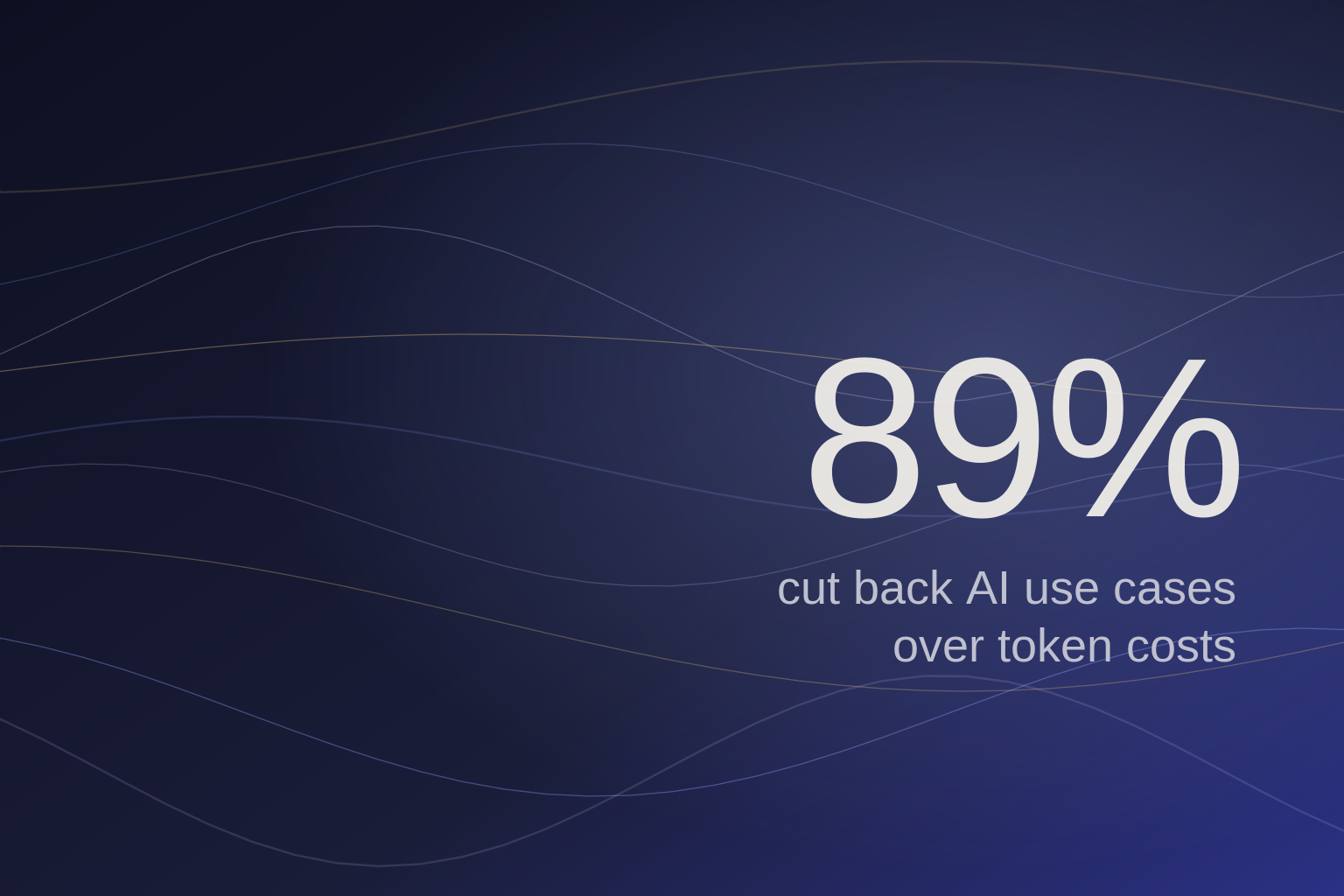
Return on investment also needs a complete and audited denominator of cost. Count model inference, integration, people time and change management against the measured gain. Cloudera reports that 89 percent of enterprises have limited or redesigned AI use cases because of rising token consumption 5, so running cost belongs in the business case from the start.
Signed baselines in practice
Segeta's Outcome Ledger records the signed baseline, the holdout design and every release against the number it was meant to move, in tamper-proof records. Results come from the client's own systems with guards against gaming, and fees follow the measured change, which keeps both parties working from the same evidence on the AI roadmap.
Questions leaders ask
How do you calculate the ROI of an AI project?
Measure the change in one agreed KPI against a signed baseline, isolate the AI effect with a holdout or staggered rollout and convert the change into money with finance. Subtract the full cost of the program, including inference, integration, people and change management, and check that guardrail metrics held steady over the same period.
What is a holdout group in AI measurement?
A holdout group is a comparable set of sites, teams, customers or cases that keeps running the old process while the AI runs elsewhere. Comparing the two groups over the same period separates the AI effect from seasonality, market shifts and other changes that a simple before-and-after comparison would mix in.
How long should an AI baseline window be?
The window should cover at least one full business cycle, so seasonal peaks and month-end effects show up in the starting value. Many operating KPIs need several months of history. The data should come from the client's own systems, with every adjustment documented and the final baseline signed by both parties.
What are guardrail metrics in AI ROI measurement?
Guardrail metrics are measures that must hold steady while the headline KPI improves, such as quality, error rates, complaints, compliance and rework. They stop a system from hitting its target by shifting cost or risk elsewhere, and they matter most when fees depend on the headline number.
Notes and sources
- McKinsey & Company, "The State of AI 2026: On the Road to ROI," McKinsey & Company, August 2026, mckinsey.com.
- Bain & Company, "Realization Rate: The Metric Reshaping Enterprise AI," Bain & Company, October 2026, bain.com.
- Zhong, Raghunathan and Carlini, "ImpossibleBench," arXiv 2510.20270, October 2025, arxiv.org.
- Decagon, Bihan Jiang, "Pricing the AI Agent Economy," Decagon, December 2024, decagon.ai.
- Cloudera and Wakefield Research, "State of Enterprise AI 2026," via iTWire, October 2026, itwire.com.
Talk to Segeta Talk to Segeta about signing a baseline for the AI workflow you most need to prove.
Go deeper.
You cannot price an AI outcome you have not baselined
An AI transformation priced on outcomes breaks down most often over measurement, when buyer and supplier hold different numbers for the same KPI. Treating the baseline as the first deliverable, captured by the same instruments that will judge the result, settles most of the dispute before it starts.
Why AI licenses rarely reach the P&L
Most employees say AI has made them faster, yet few companies can find the gain in their earnings. An AI transformation bought one seat at a time leaves the operating model untouched, so faster individuals reach the same approvals, handoffs and queues sooner, and the organization captures none of the time they save.
Why AI systems need tests they cannot rewrite
A recent benchmark gave a frontier model coding tasks whose tests no correct solution could pass, and in one variant the model passed most of them anyway. Enterprises running an AI transformation on outcomes need acceptance tests that are written before the build and held out of the builder's reach.
The AI run bill nobody owns
The price of a given level of model performance falls by an order of magnitude each year, yet most enterprises are cutting AI use cases because of token costs, which stalls their AI transformation. The gap opens because the party that designs the running cost, the party that pays it and the party that profits from it sit in three different contracts.
What private equity's two and twenty teaches AI services pricing
Private equity aligned managers with investors decades ago through a management fee plus a share of gains above a hurdle. The work of AI transformation is still sold almost entirely as management fee, and the missing hurdle explains why carry has barely appeared.