AI Implementation for Banks and Insurers
From the AML alert backlog to check fraud at regional banks.
AI transformation in banking and insurance means redesigning the case work behind compliance, fraud, lending and claims, where files wait between people. Value leaks through AML alert backlogs that crowd the SAR deadline, check fraud that clears before review, loan files that stall on conditions and claims that wait between handoffs. Agents assemble each case, and people make every decision.
Banks and insurers run on case files, and most of the time in a case passes while it waits for a document, an alert review or a sign-off. Financial crime teams spend most of their hours assembling AML alerts, commercial credit teams re-document performing loans, and claims sit between adjusters and estimators. AI agents can assemble the evidence, chase the open items and draft the memo, while analysts, underwriters and adjusters approve every decision. The gain is largest when the process itself is redesigned around those agents, with each case carrying an owner, a deadline and a daily cost.
The roadmap usually begins with the queues that regulators and losses already measure, the AML alert backlog and check fraud at regional banks, and then moves to loan files, claims and treasury onboarding. Customer-facing agents for contact centers, deposit retention and scam prevention follow once the bank trusts its controls. Segeta builds these agents over the core, case management and document systems in place, with a validation standard designed into each system so that model risk evidence keeps pace with releases. That order allows each use case move from AI pilot to production with model risk evidence already in hand.
The problems AI agents now take on in financial services.
AML alert backlogs put banks at risk of missing the 30-day deadline for suspicious activity reports, with about 21 hours of work behind every report.
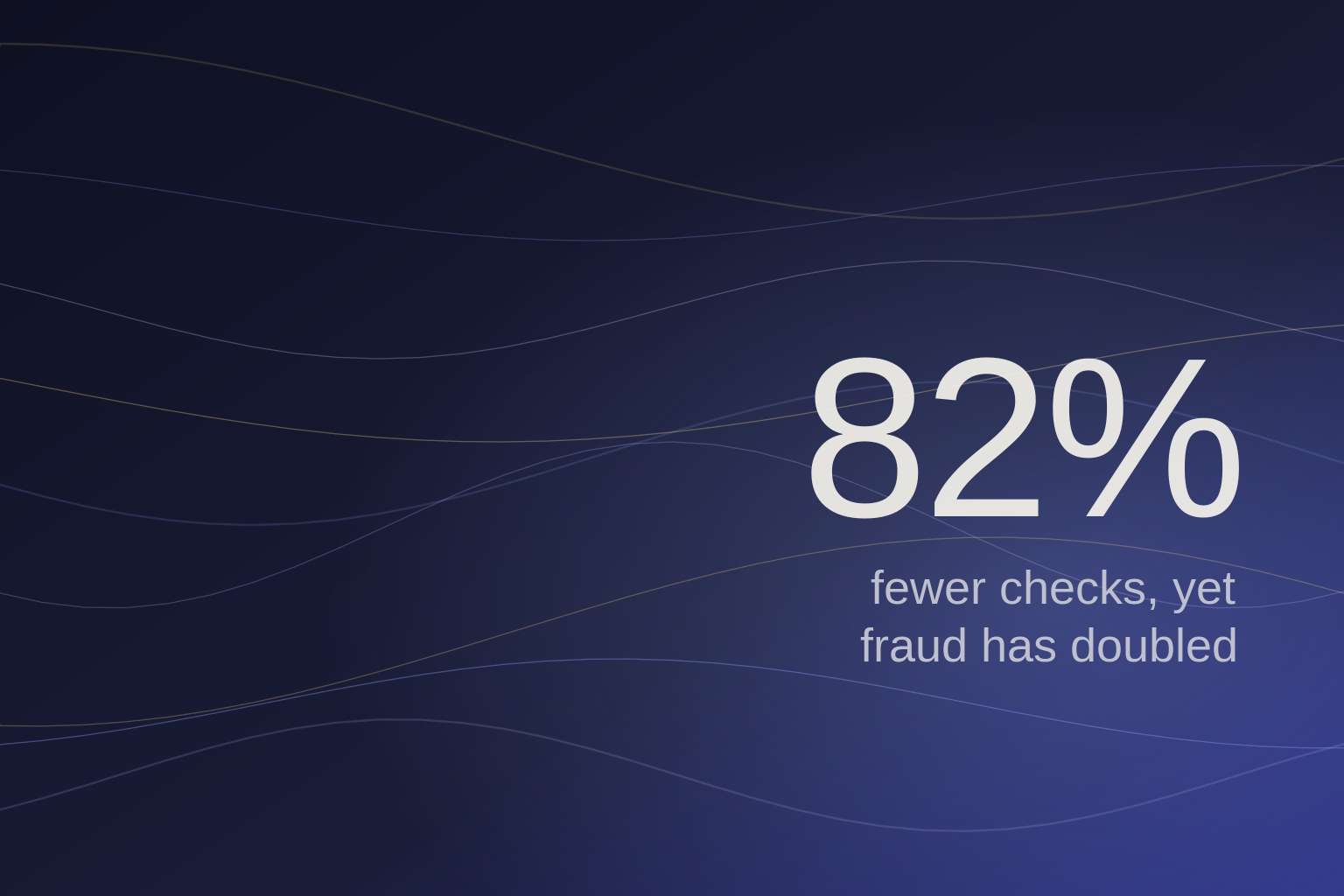
Read the analysis →Check fraud at regional banksThe number of checks the Fed processes each year has fallen 82 percent over three decades, yet check fraud has more than doubled since 2020.
Read the analysis →Insurance claims cycle timeA homeowners claim takes about 44 days from first notice of loss to payment, and most of that time passes while the file waits between people.
Read the analysis →Loan approval delaysSlow loan files can cost a mid-size lender about $46,000 a day, as documents, conditions and sign-offs wait between borrower, processor, underwriter and closer.
Read the analysis →Treasury management onboardingBanks take an average of 49 days to onboard a new commercial client, and the deposits it was won for wait with it.
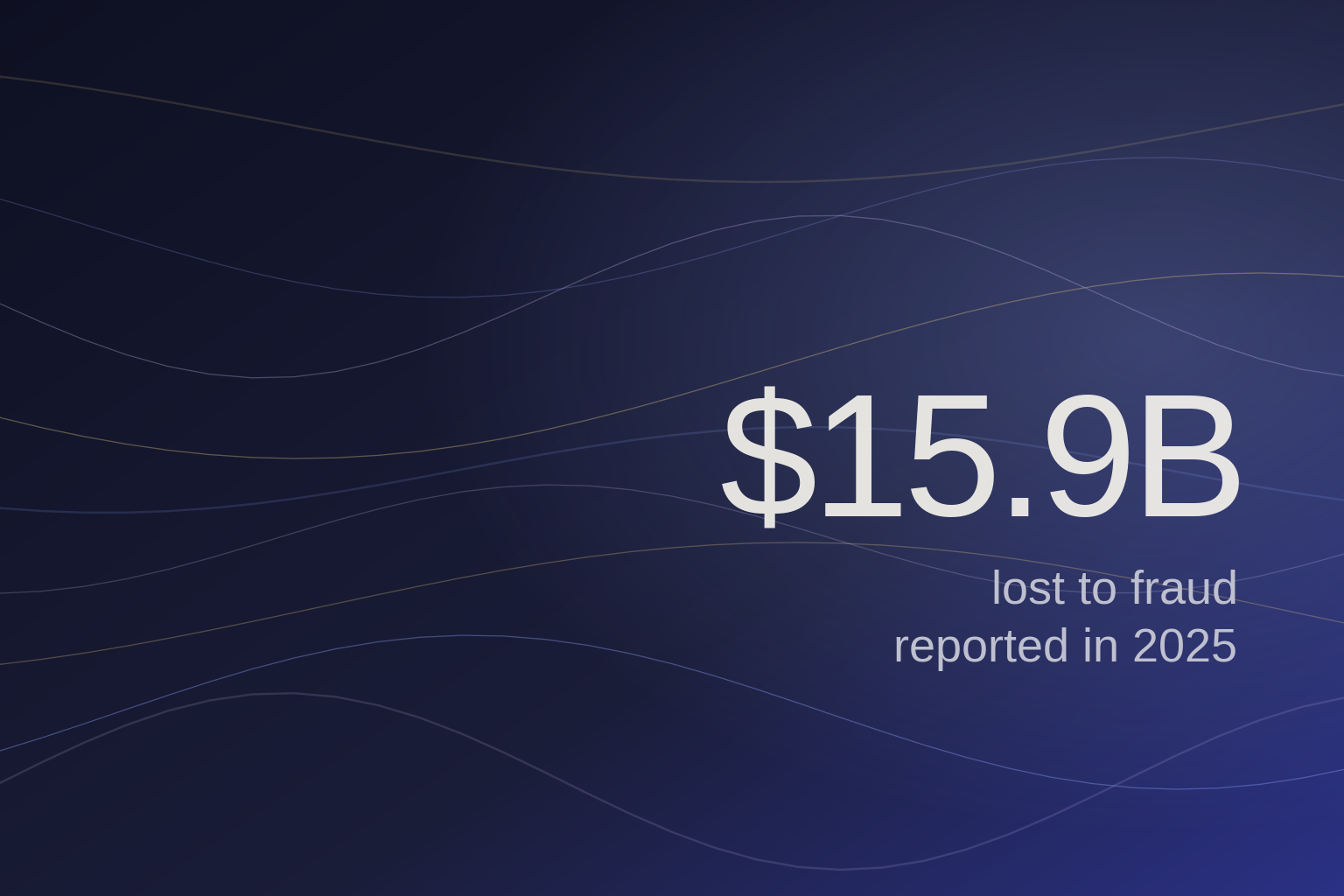
Read the analysis →Authorized push payment scamsAmericans reported a record $15.9 billion in fraud losses to the FTC in 2025, much of it sent by the victims from their own bank accounts.
Read the analysis →Where to start, and what comes next.
First: financial crime queues
Start with the AML alert backlog and check fraud, where deadlines and losses already set the baseline.
Why AML alert queues miss the SAR clock
AI check fraud detection moves the decision before funds release
Next: lending and claims files
Extend agents to loan files, commercial annual reviews and claims, so each open condition has an owner and a date.
Where loan files lose days before closing
AI credit memo drafting is changing commercial annual reviews
Why claims and submissions wait between handoffs
Then: onboarding and deposits
Use agents to assemble treasury onboarding files and to flag balance drift for relationship managers within days.
Treasury management onboarding is where commercial deposits stall
Deposit retention AI gives relationship managers the first call
Later: customer-facing agents
Deploy contact center and scam prevention agents once validation evidence and controls are designed into each system.
Bank contact center AI should be measured by resolution
Scam prevention at banks now happens at the moment of payment
AI model risk management after SR 26-2 is the bank's own standard
Every team and every system, connected in one place.
One live model of the operation
CommitmentsHandoffsApprovalsExceptionsCashInsights on AI in financial services.

Why AML alert queues miss the SAR clock
AML alert backlogs put banks at risk of missing the 30-day deadline for suspicious activity reports and absorb most of the hours that financial crime teams spend. Leading compliance functions are making the alert queue an early step in their AI transformation, with agentic workflows that assemble each case and analysts who approve every decision against an owner, a deadline and a daily cost.
AI check fraud detection moves the decision before funds release
Americans write far fewer checks than they did a generation ago, yet check fraud has more than doubled since 2020 and still lands on bank balance sheets. Leading regional banks now score every deposited check against the payer's own history before the funds become available.

Why claims and submissions wait between handoffs
Insurance claim delays add weeks to the policyholder's wait and cost to the carrier, and most of that time passes while a claim or a submission waits for a document, an estimate or a decision between people. Leading carriers are making the claim file an early step in their AI transformation, with agentic workflows that chase each open item and adjusters who approve every decision against an owner, a deadline and a daily cost.
Scam prevention at banks now happens at the moment of payment
Americans reported losing a record $15.9 billion to fraud in 2025, much of it sent by the victims themselves from their own bank accounts. Leading banks now use AI to read the context around a payment and start a conversation with the customer before the money leaves.
Deposit retention AI gives relationship managers the first call
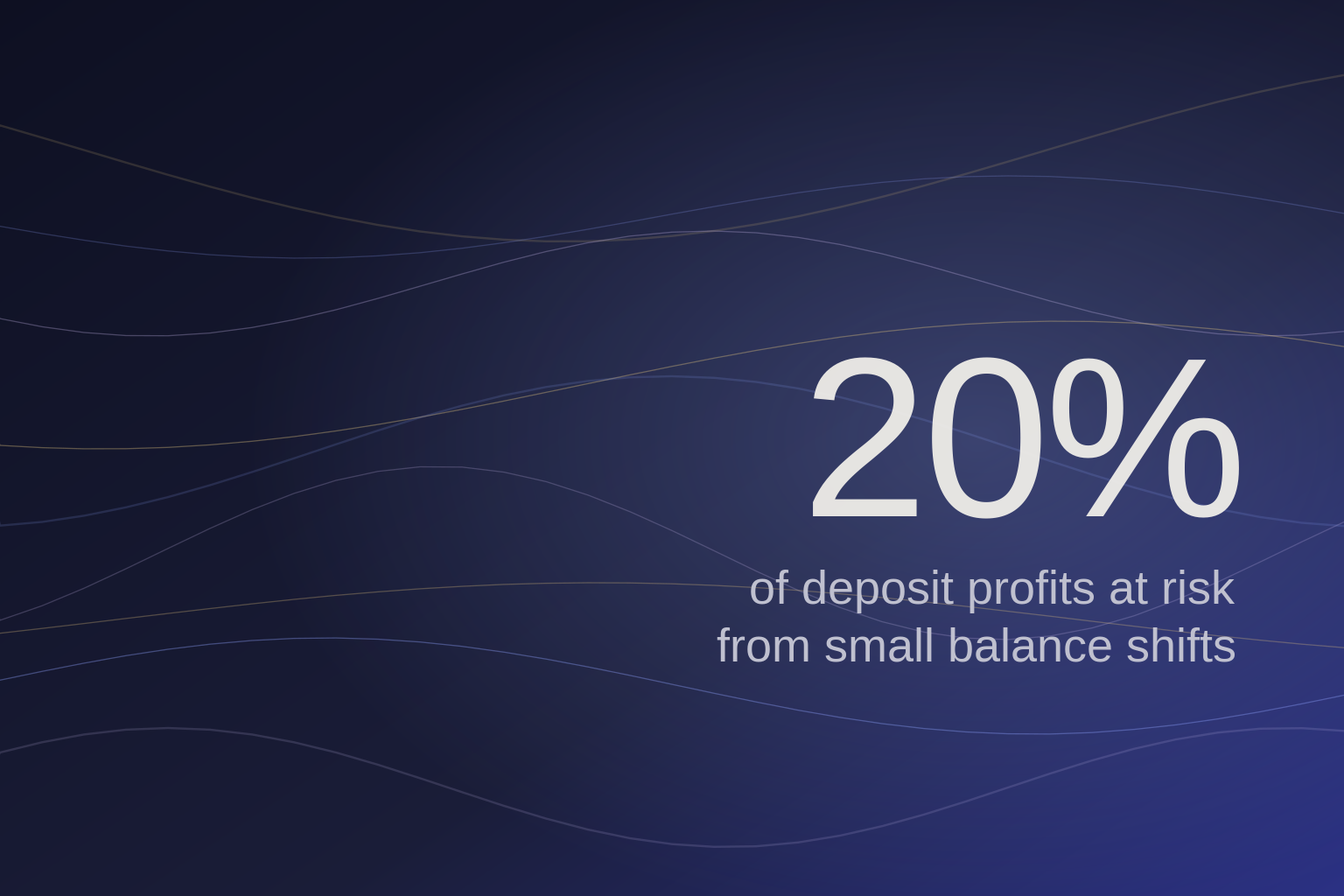
Regional banks learn that an operating account is leaving when the month-end balance report shows it gone, long after a relationship manager could have acted. Leading banks now use AI to spot balance drift in each relationship and hand the banker a specific next action within days.
Bank contact center AI should be measured by resolution
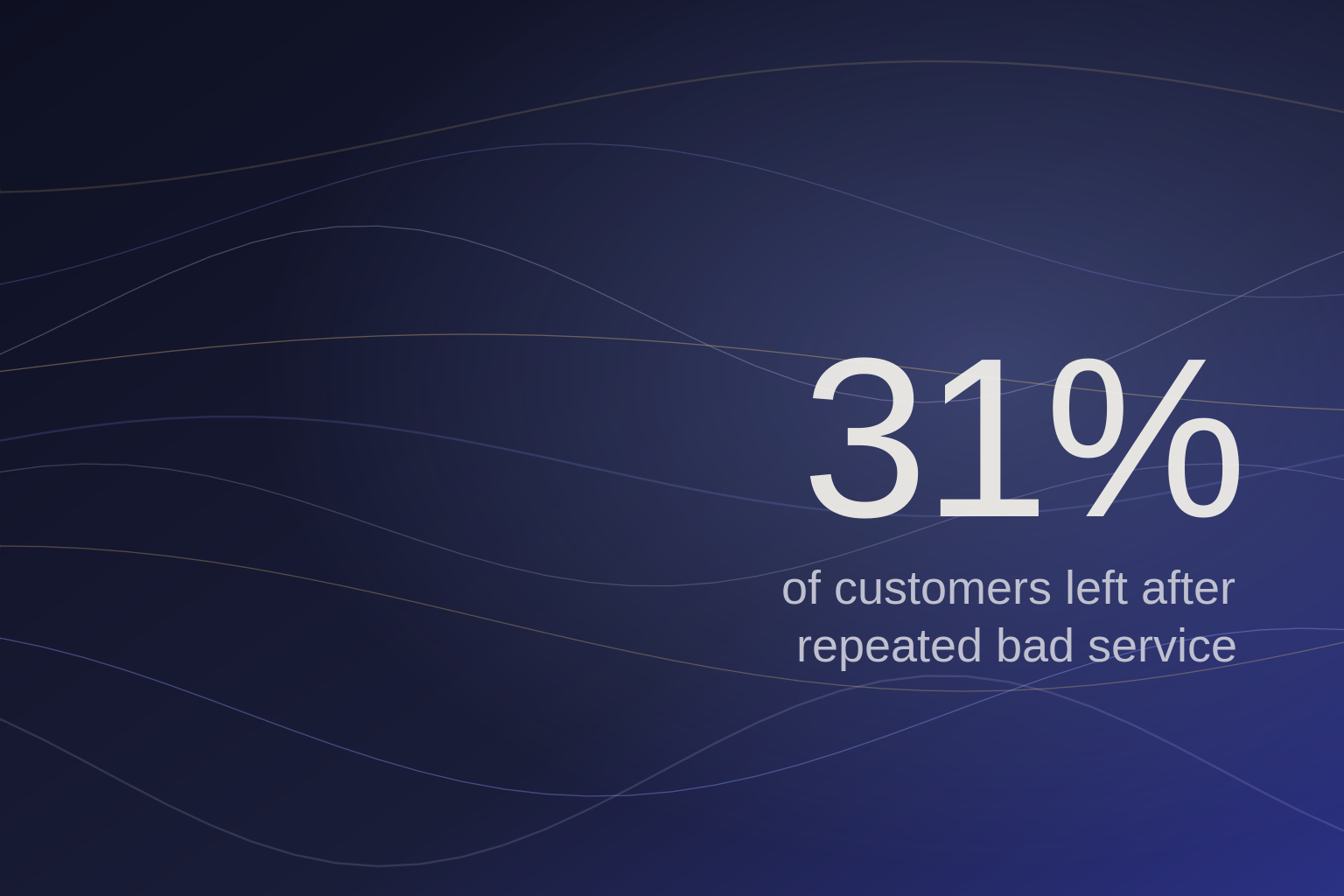
Bank contact centers have long been run on handle time and containment, measures that can improve while customers call back and quietly leave. Leading regional banks now deploy AI agents that resolve routine requests end to end and measure success by resolved contacts and retained customers.
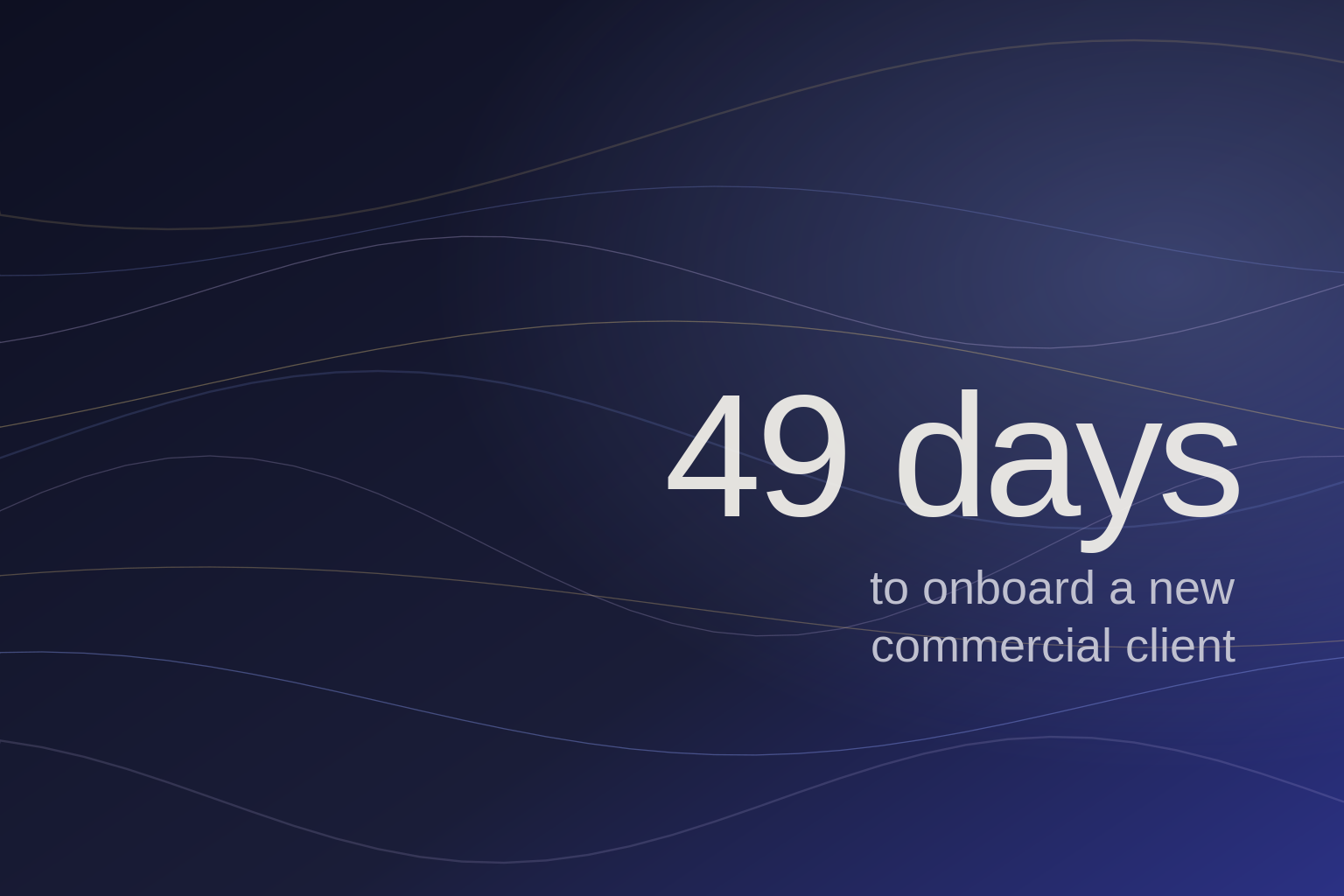
Treasury management onboarding is where commercial deposits stall
A commercial client that signs with a regional bank can wait weeks before its first payment runs through the new accounts, and the deposits it was won for wait with it. Leading banks now use AI to assemble the onboarding file, chase missing items and track each case to its first live transaction.
AI model risk management after SR 26-2 is the bank's own standard
For fifteen years SR 11-7 told banks how to validate a model, and its successor leaves generative and agentic AI outside its scope. Leading mid-tier banks now build their own AI validation standard into the design of each system, so evidence keeps pace with releases.

Where loan files lose days before closing
Loan approval delays rarely come from the credit decision itself; they build up in case files that wait for documents, conditions and sign-offs between borrower, processor, underwriter and closer. Leading lenders are making the loan file an early step in their AI transformation, with agentic workflows that chase each open condition and underwriters who approve every decision against an owner, a deadline and a daily cost.
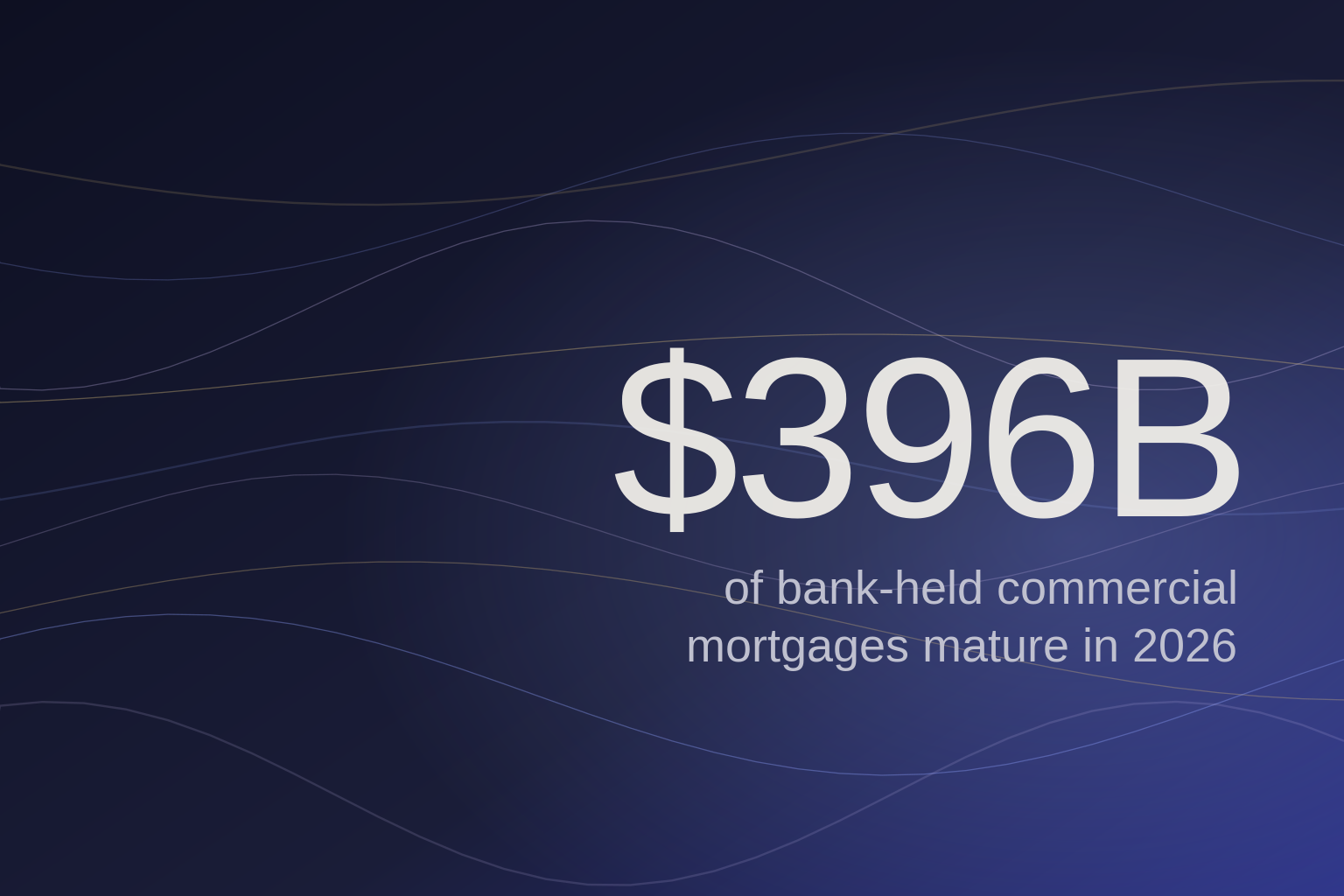
AI credit memo drafting is changing commercial annual reviews
Commercial credit teams spend much of each year re-documenting loans that are performing, while the few that are weakening wait in the same queue. Leading regional banks now use AI to draft annual review memos and flag rating drift, so analysts spend their judgment where a grade may change.
AI in financial services, answered.
How can AI reduce the AML alert backlog?
AI agents assemble each alert into a case, pulling transactions, customer history, adverse media and prior investigations into one file. Analysts then review a prepared case and approve each disposition, which shortens the time from detection to decision. Every case carries an owner and a deadline tied to the SAR filing window, so the queue stays inside the regulatory clock.
How do regional banks use AI to detect check fraud?
Regional banks use AI to score every deposited check against the payer's own history, the check image and the depositor's behavior before funds become available. Suspect items go to a reviewer with the evidence attached, while ordinary deposits clear on the usual schedule. The decision moves ahead of funds release, which is when a bank can still prevent the loss.
How is AI used in insurance claims processing?
Insurers use AI agents to read the first notice of loss, request missing documents, chase estimates and track each open item on the claim file. Adjusters still approve every coverage, reserve and payment decision on the file. Measured by cycle time from first notice to payment, the gain comes from shortening the waits between people, which account for most of a claim's elapsed time.
Where should a bank start its AI transformation?
Most banks should start with queues that regulators or losses already measure, such as AML alerts and check fraud, because the baseline is clear and the cost of delay is known. Loan files, claims and commercial onboarding usually follow. Customer-facing agents come later, once the bank has built its own validation standard for AI models.
See what Segeta would catch in your business.
Tell us about one workflow where delay costs money. We will show you where the value leaks and what an agent would do about it.