AI Implementation for Infrastructure Projects
Energy and infrastructure, from solar interconnection delays to data center time to power.
AI transformation in infrastructure means managing every commitment between owners, contractors, utilities and suppliers as a dated and priced obligation. Value leaks through solar interconnection delays, data center time to power, RFIs and closeout documents. AI agents read the schedule, contracts and project records, forecast construction schedule risk from each P6 update and route every slip to its owner.
Solar farms, wind projects, data centers, airports, roads and new plants now lose most of their days in the handoffs between parties, and few of those handoffs appear in the contractor's schedule. Utility letters, procurement trackers, submittal logs and site chats each hold part of the critical path. AI agents can read these records together, link each commitment to the milestone it moves and price the delay of every slip. The process changes when project controls teams review a short list of exceptions each week, prepared by agents across every project.
A sensible roadmap starts with the obligations that set revenue dates, such as interconnection, time to power and long-lead equipment, and with construction schedule risk forecasting on each P6 update. RFI and submittal review, claims analysis and drone progress tracking follow, then commissioning, closeout and the project record that lenders and tax equity rely on. Segeta builds these agents over the scheduling, document and procurement systems already in use, so planners and project managers approve every change. Each use case then moves from AI pilot to production against dates the owner already reports.
The problems AI agents now take on in infrastructure.
About 330 GW of solar and wind capacity holds a signed agreement but is not yet online, and the dates that govern it sit in utility letters the EPC schedule cannot see.
Read the analysis →Data center time to powerOf 16 GW of 2026 data center capacity, only 5 GW was actually under construction, because utility studies and substation builds now set the pace.
Read the analysis →Construction schedule risk with P6About 91.5 percent of big projects go over budget, over schedule or both, yet schedule risk analysis runs once or twice a project on the planners' own estimates.
Read the analysis →Transformer lead timesThe average wait for a generator step-up transformer has reached 143 weeks, and tax credit funding depends on evidence held by different teams.
Read the analysis →Data center long-lead equipmentA late data hall on a 100 MW build can cost about $1 million a day, and a late submittal or RFI can push electricians out of sequence for weeks.
Read the analysis →RFI and submittal delaysThe average construction project generates about 800 requests for information, at about $1,080 each to review and answer.
Read the analysis →Where to start, and what comes next.
First: revenue-date obligations
Track interconnection, time to power and long-lead equipment as priced obligations tied to energization or commercial operation.
The utility now decides when your solar project goes live
Data center schedules now start at the substation
What a late data hall really costs a 100 MW build
Transformers and paperwork are the new critical path
Next: schedule risk on every update
Score each P6 update for schedule risk and route the slips that threaten key milestones to their owners.
AI schedule risk forecasting turns P6 updates into early warnings
What delay really costs infrastructure, and how AI wins it back
Then: documents, RFIs and claims
Use agents to answer RFIs, check submittals, count site progress and read project records against notice and change clauses.
AI RFI and submittal review shortens the wait for answers
AI claims analysis catches change orders before they become disputes
AI drone progress tracking counts every pile on a solar site
Later: commissioning and the project record
Tie every test, punch item and as-built to its system, and keep one record that lenders and tenants can read.
AI commissioning and punch-list closeout moves revenue dates forward
Commissioning now decides when lease revenue starts
One project record that lenders and tax equity can trust
Every team and every system, connected in one place.
One live model of the operation
CommitmentsHandoffsApprovalsExceptionsCashInsights on AI in infrastructure.
AI implementation cost in 2026 and where the run bill hides
AI implementation cost in 2026 depends on the pricing model as much as the scope. Hourly, fixed fee and outcome-based models now have public benchmarks, and each one places the cost of running agents with a different party in an AI transformation.
AI-native services companies in 2026, a map of 26 firms
AI-native services companies now fall into four delivery models, which are forward-deployed, platform-led, roll-up and vertical. This map places 26 firms from public facts, so leaders planning an AI transformation can see what each model sells and who carries the outcome.
What is services-as-software and what changes for buyers
Services-as-software is a model in which a provider uses AI agents to deliver finished work and is paid for the result. It moves accountability for the outcome from the buyer to the provider, which changes the contract at the center of an AI transformation.
What is an agent harness and why it matters for enterprises
An agent harness is the software around a model that supplies its context, runs its tools, checks its work and sets its limits. The same model can score very differently in two agent harnesses, so the agent harness is the first thing to evaluate in an AI transformation.
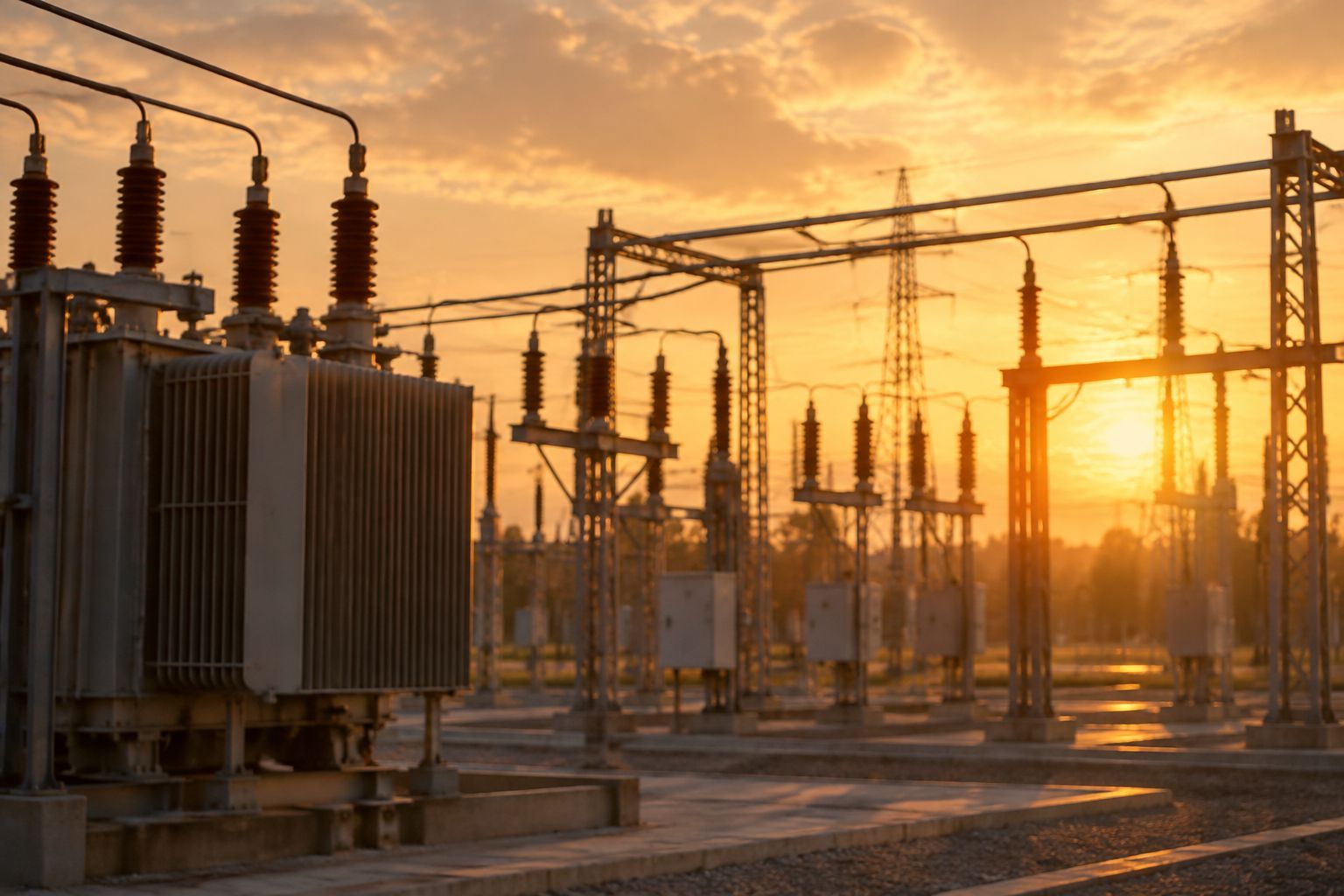
The utility now decides when your solar project goes live
Interconnection delays now decide when US solar and wind projects start earning revenue, and the dates that govern them sit in utility letters and portals the EPC schedule cannot see. Leading developers are managing network upgrades, outage windows and witness tests as owned, priced obligations alongside construction.
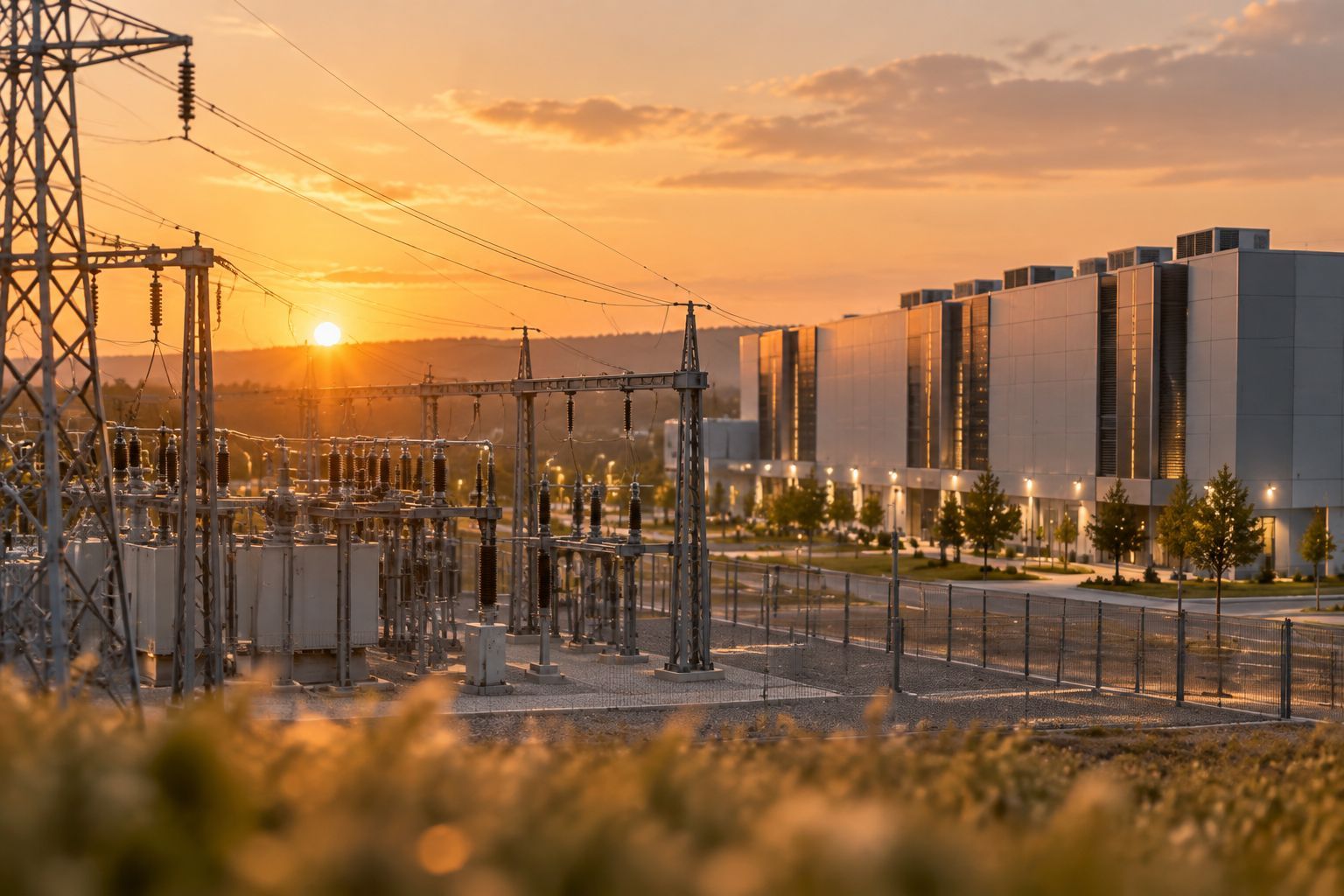
Data center schedules now start at the substation
Data center construction delays now originate in utility studies, substation builds and power contracts, long before the shell or the fit-out is at risk. Leading developers manage time to power as a chain of priced obligations shared with utilities, contractors and tenants.
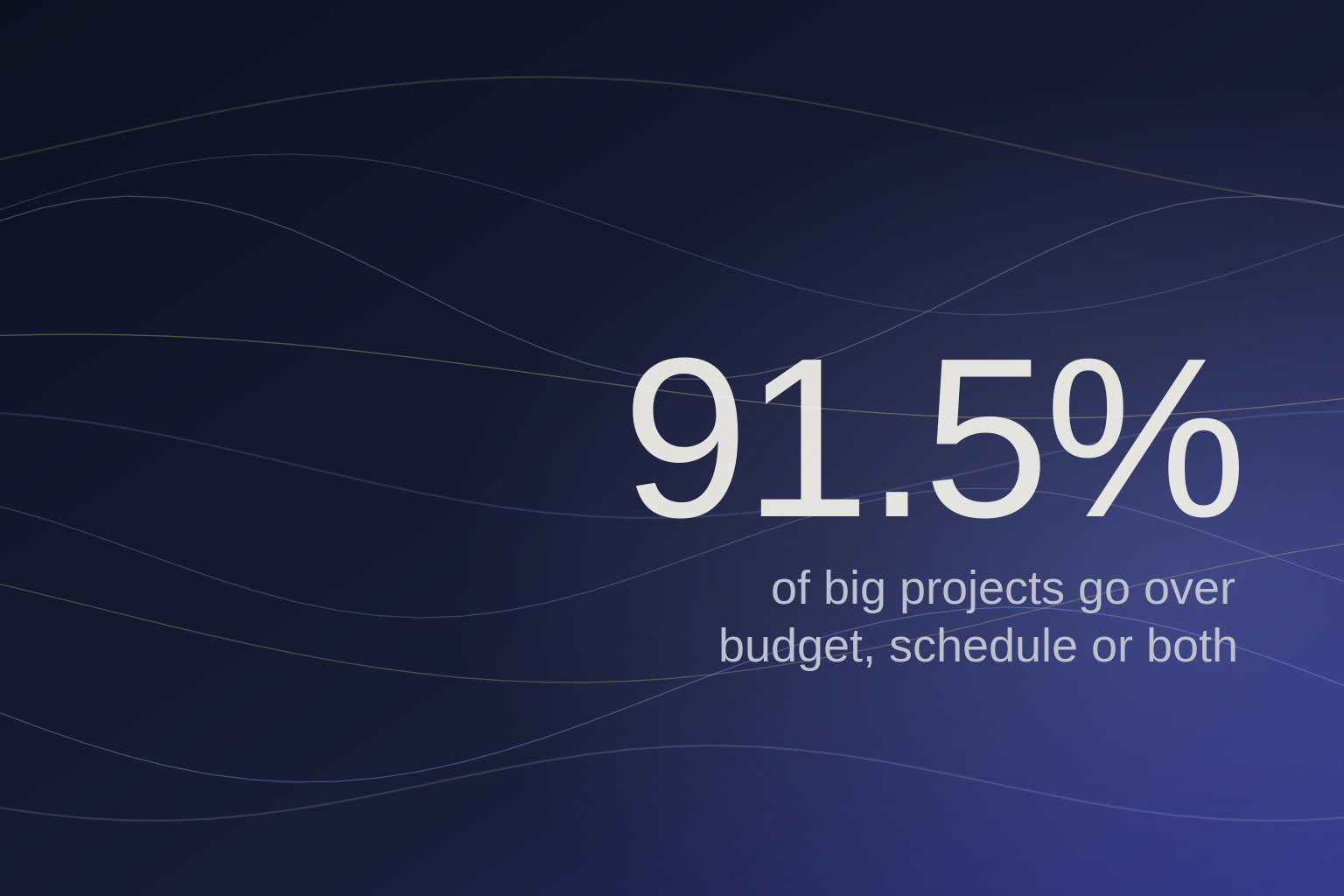
AI schedule risk forecasting turns P6 updates into early warnings
Most large projects finish late, yet the schedule risk analysis meant to warn of it runs once or twice a project on the planners' own estimates. Leading developers, EPCs and owner's engineers now score every P6 update against the outcomes of hundreds of thousands of past schedules.

Commissioning now decides when lease revenue starts
Data center commissioning now sits between a finished building and contracted lease revenue, and its evidence is scattered across contractors, spreadsheets and inboxes. Leading developers are managing every test, issue and acceptance step as one live record that the tenant can see.

Why finished airport terminals open late
New airport terminals often reach substantial completion months before they can safely take passengers, because baggage, security, IT, airlines and federal agencies must each prove readiness. Leading airports now treat airport operational readiness as a program of priced obligations shared across every organization that must sign off.
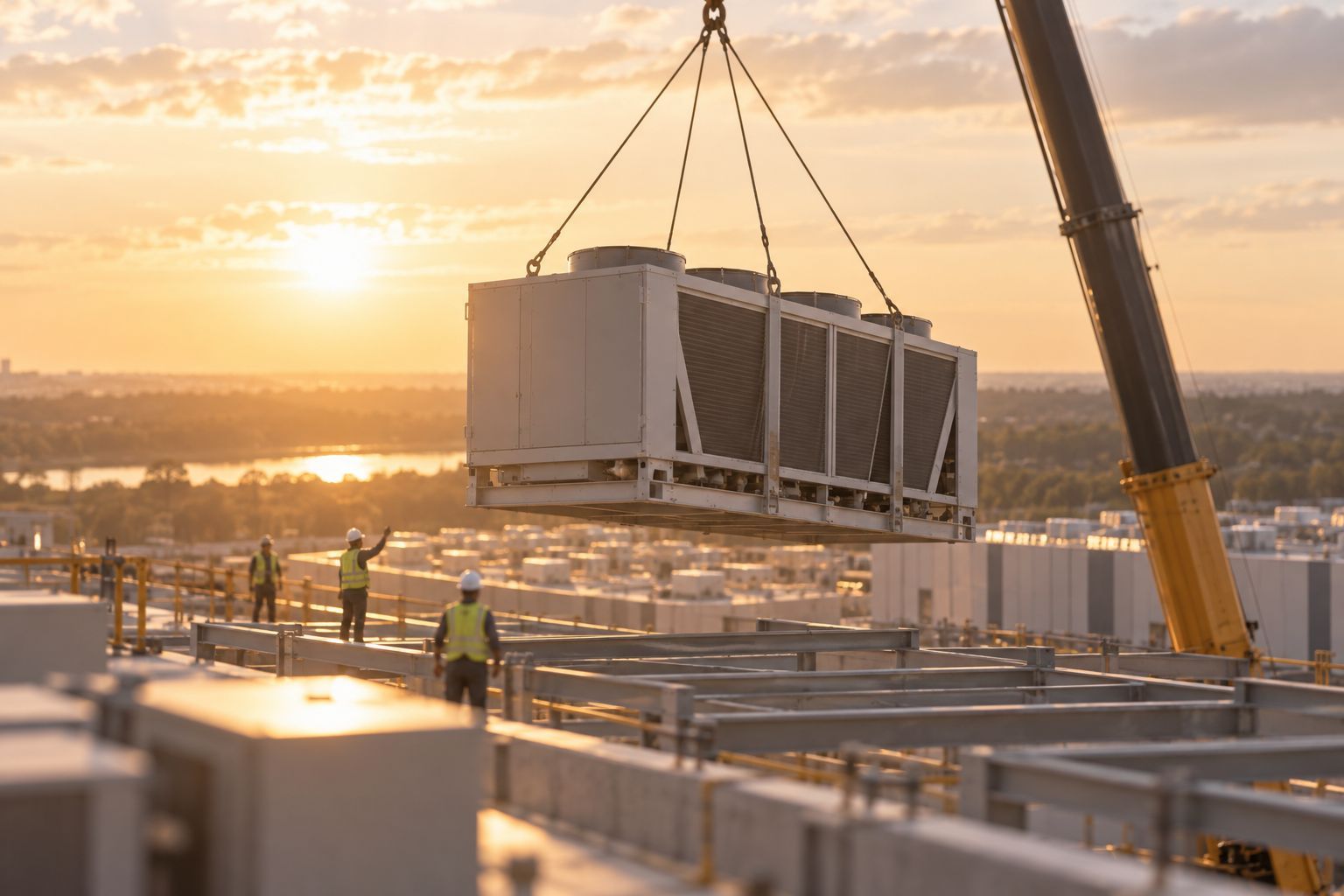
What a late data hall really costs a 100 MW build
Data center long lead equipment now sets the pace of every compressed build, and a late submittal or RFI can push electricians out of sequence for weeks. Leading contractors are linking procurement trackers, submittal logs and site chats into one live record of every commitment that moves energization.
What delay really costs infrastructure, and how AI wins it back
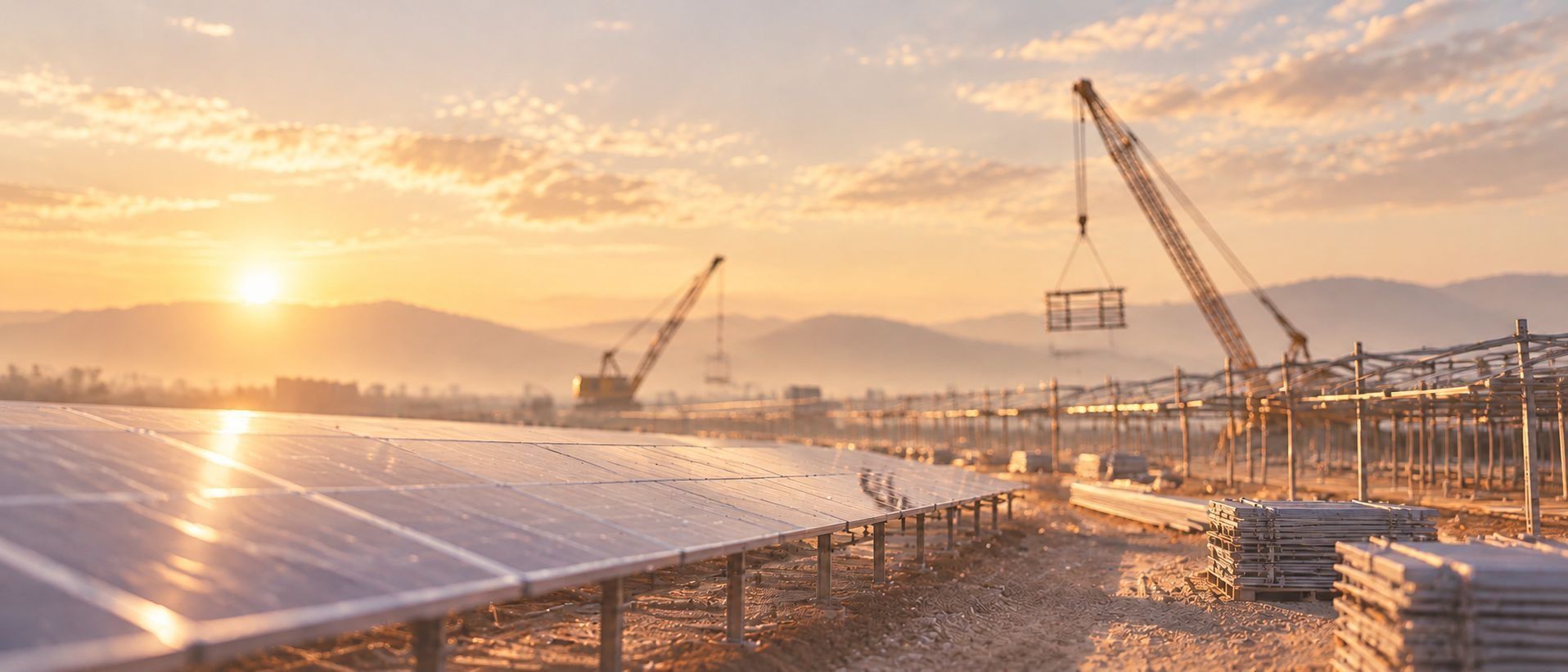
Across solar farms, data centers, airports, roads and factories, most lost days now sit in the handoffs between owners, contractors, utilities and suppliers. Leading infrastructure companies are beginning to manage every commitment as an obligation with an owner, a deadline and a daily cost, using AI for infrastructure project delivery over the systems they run.
Transformers and paperwork are the new critical path
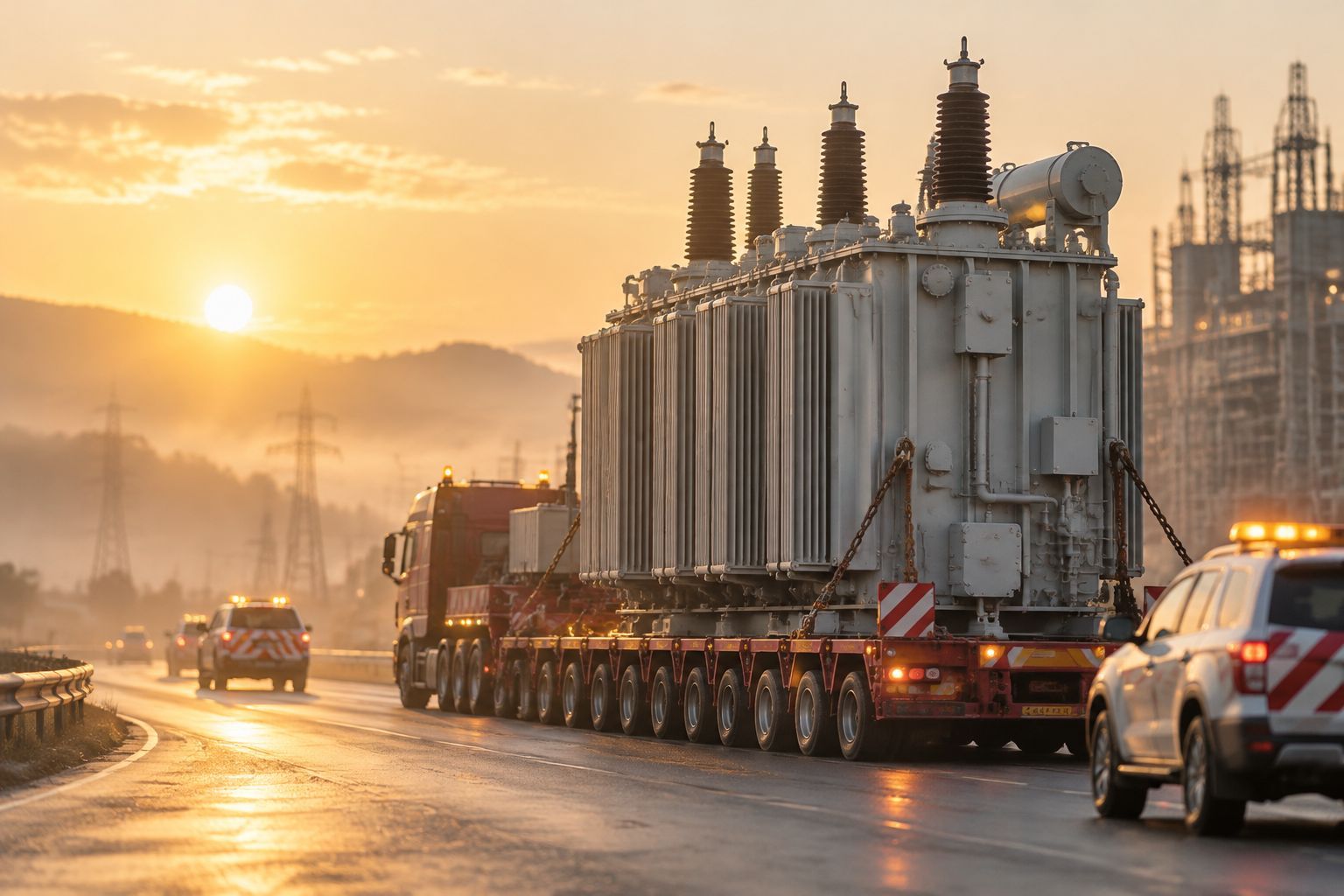
Transformer lead times now approach three years, and tax credit funding depends on supplier certifications, physical work records and continuity evidence held by different teams. Leading solar and wind developers are managing equipment milestones and compliance files as one critical path, with an owner and a daily cost on each.

Where solar and wind projects really lose time before COD
Renewable energy project delays now start outside the fence line, in interconnection studies, transformer factories and compliance files. Leading developers are building one live view of every commitment between notice to proceed and commercial operation, so the right person acts while a slip can still be recovered.
The hidden critical path in highway programs
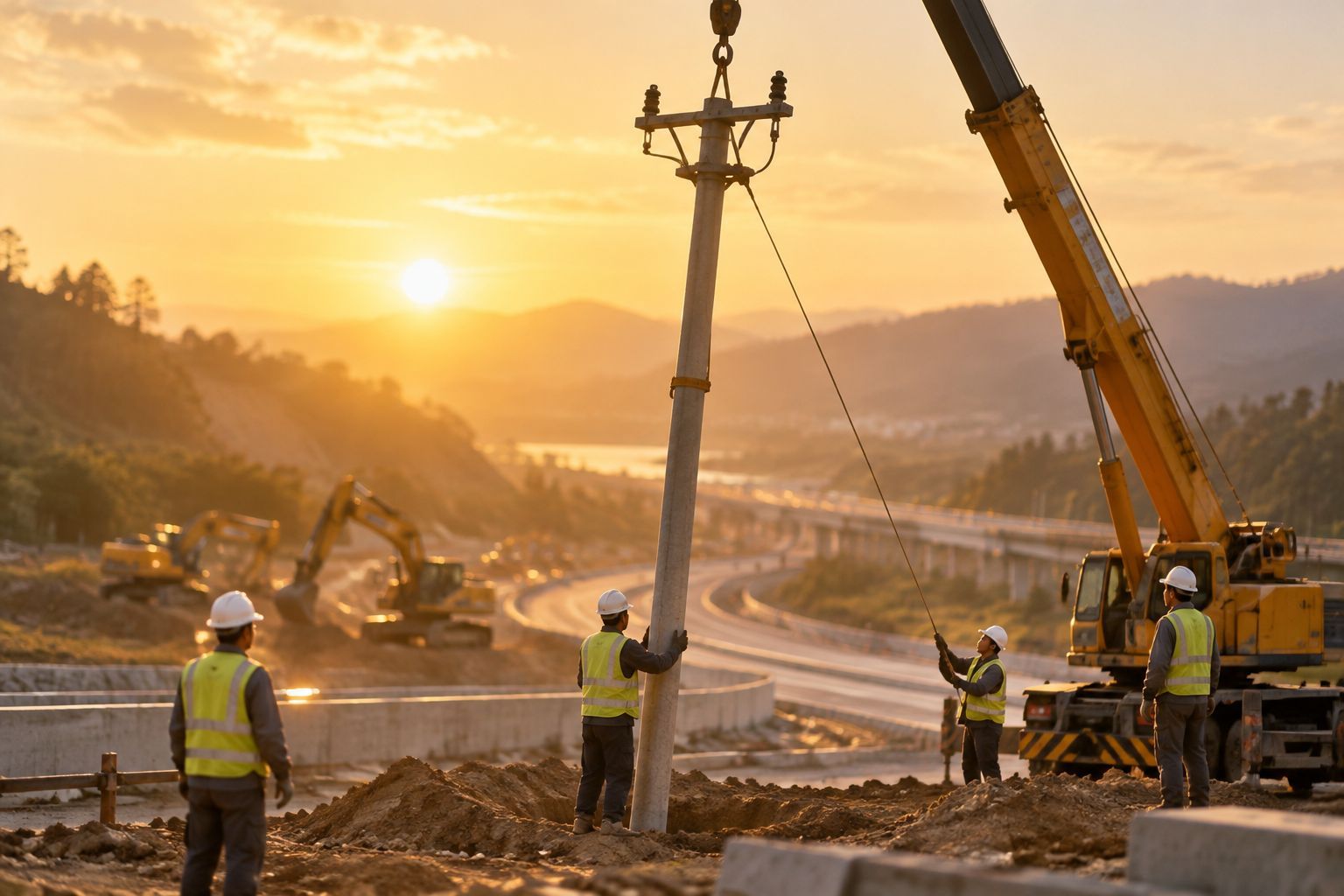
Utility relocation delays remain one of the most common reasons highway projects finish late, because state transportation departments depend on utility owners and right-of-way agents they do not control. Leading agencies are managing every relocation as a dated, priced obligation, tracked from the first conflict notice to the last pole moved.
AI commissioning and punch-list closeout moves revenue dates forward
Battery and solar plants often stand physically complete for weeks while test records, punch items and turnover documents are chased across subcontractors. Leading EPCs and owners now use AI to tie every test sheet, punch item and as-built to its system, so commercial operation waits on fewer missing documents.
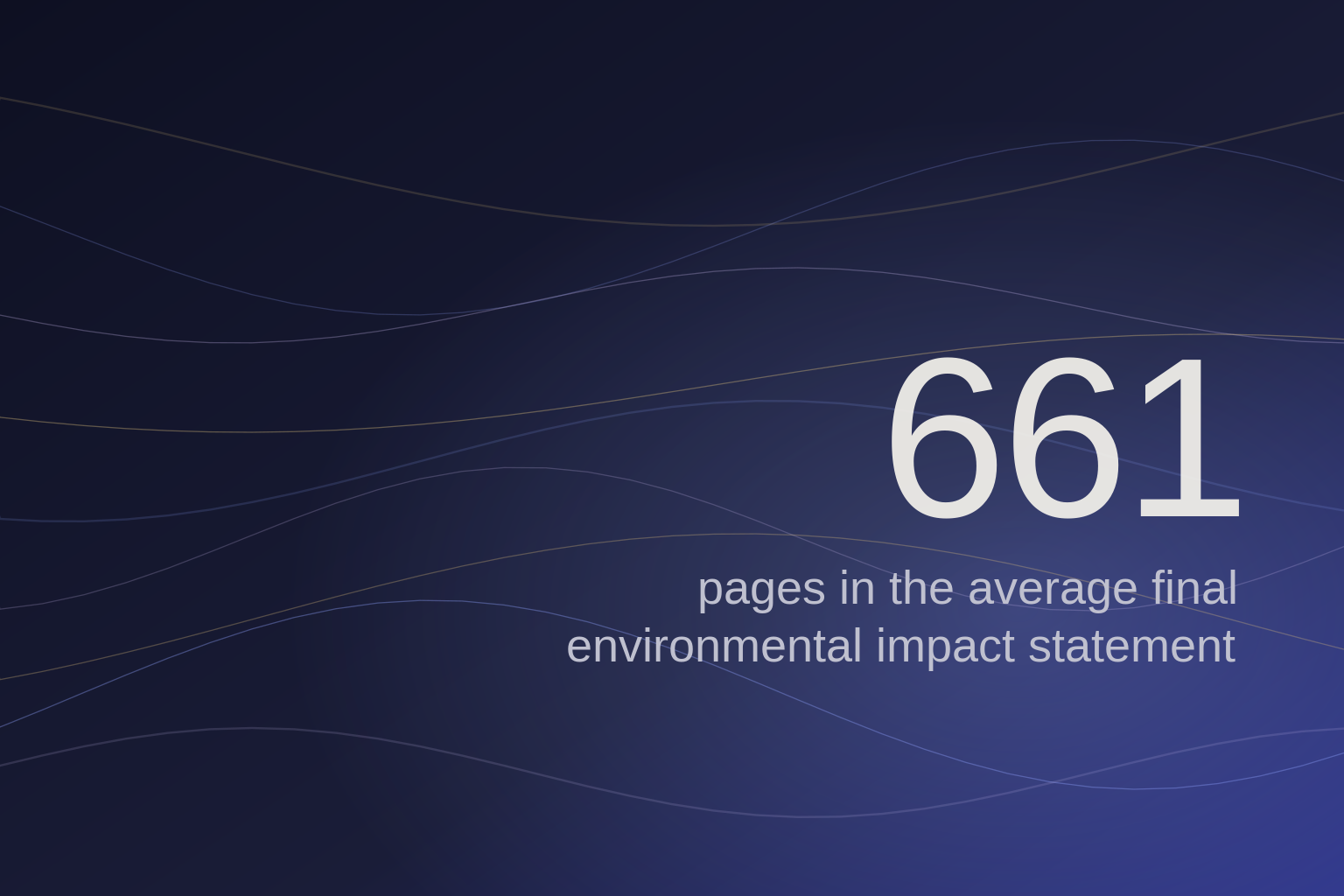
AI environmental review drafting speeds permitting document work
Federal environmental impact statements run to hundreds of pages and years of work, much of it rewriting analysis that earlier reviews already contain. Leading developers, their environmental consultants and federal agencies now use AI to search precedent, draft sections and check consistency, while specialists keep every scientific and legal judgment.
AI drone progress tracking counts every pile on a solar site
Utility-scale solar sites cover thousands of acres and tens of thousands of identical components, yet progress has long been sampled on foot and reported by the party paid for it. Leading EPCs and owners now count and measure every pile, tracker and module from each drone flight.
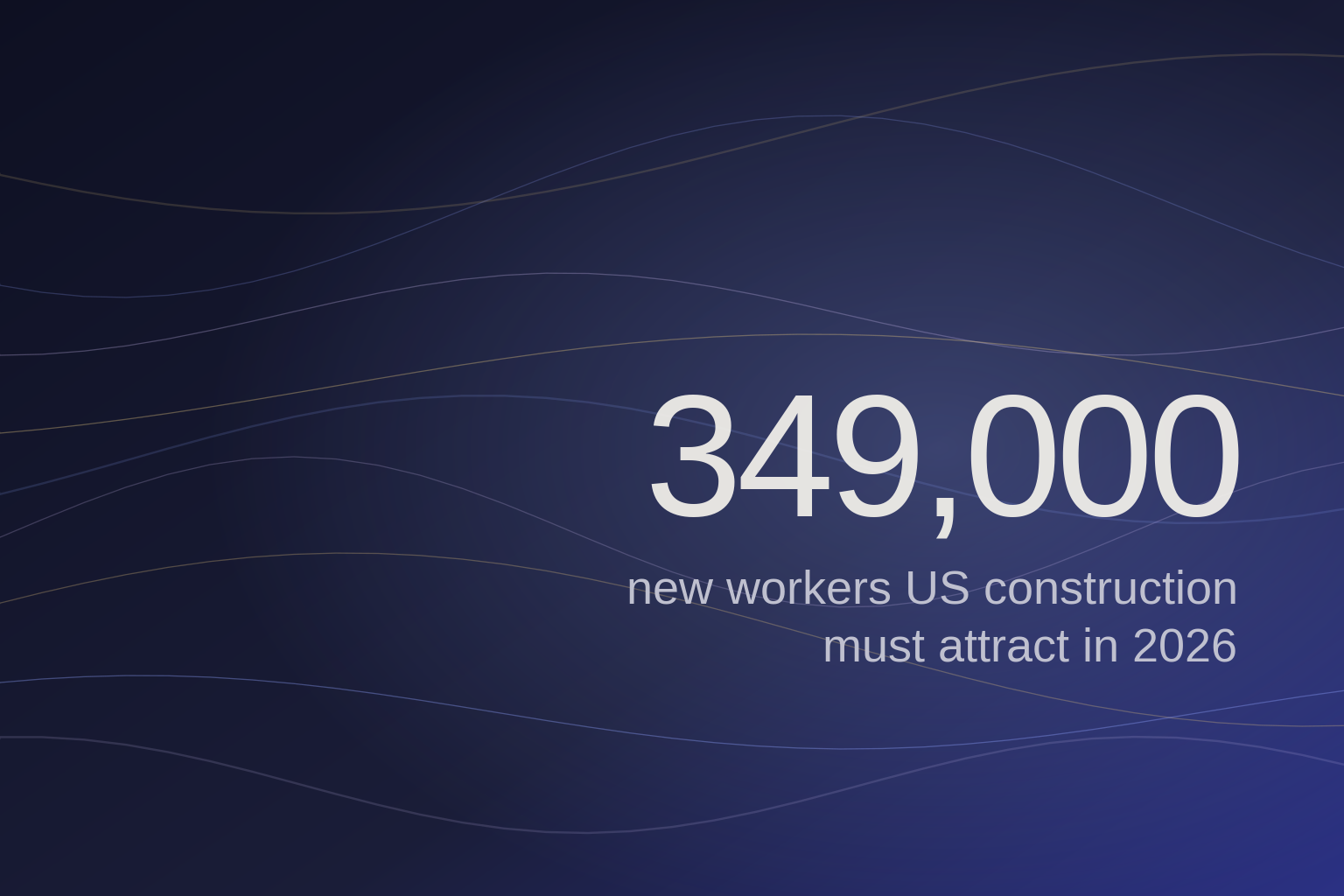
AI lets one project controls lead cover more of the portfolio
Program management and owner's engineering firms have long grown capacity by adding planners, cost engineers and document controllers, and those people are now scarce. Leading PMC firms use AI agents to assemble status, variance and risk from project systems, so one controls lead can review the exceptions across more projects.

One project record that lenders and tax equity can trust
In the final months before commercial operation, the owner, the EPC contractor, the independent engineer, lenders, tax equity investors and the offtaker each keep their own tracker, and funding waits while they reconcile. Leading developers are moving renewable project finance reporting onto one live project record that every party can read, as one early step in their AI strategy.
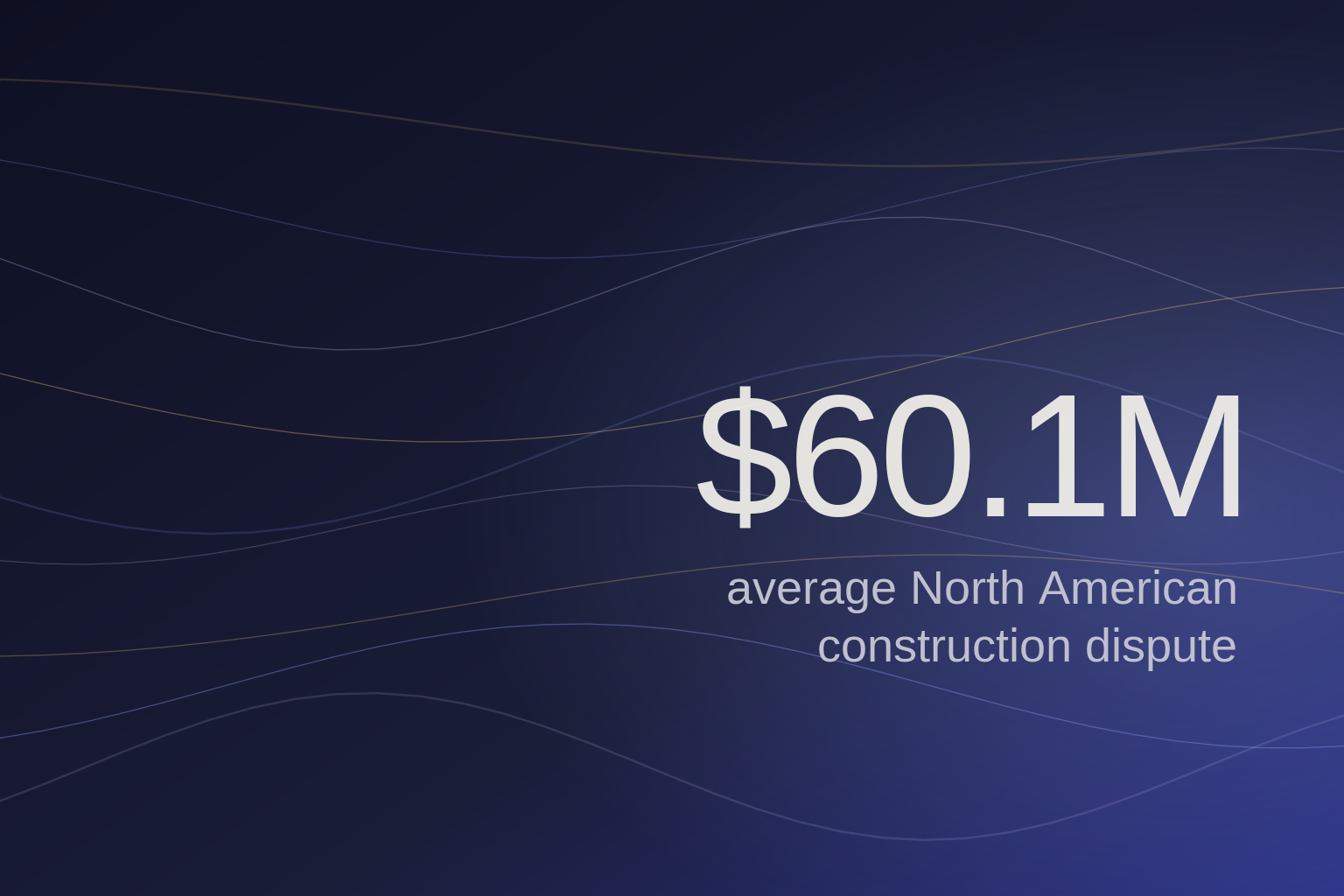
AI claims analysis catches change orders before they become disputes
The average North American construction dispute now runs to tens of millions of dollars, and many begin with a notice missed or an event left undocumented months earlier. Leading EPCs, owners and PMC firms now use AI to read every project record against the contract's notice, change and damages clauses.
AI RFI and submittal review shortens the wait for answers
A typical construction project generates hundreds of requests for information, and each one waits in a reviewer's queue while crews work around the gap. Leading EPCs and owner's engineers now use AI to answer questions from the documents already on file and to check submittals before they are sent.
AI in infrastructure, answered.
How can AI reduce solar interconnection delays?
AI helps a developer protect the days around each utility study and approval. Agents read utility letters and portals, track network upgrades, outage windows and witness tests as owned obligations, and link each one to the construction schedule. Developers see early when an interconnection date threatens commercial operation, while a slip can still be recovered.
What is data center time to power?
Time to power is how long it takes to secure and energize the power a data center needs at its contracted load. It now sets the pace of most builds, because utility studies, substation construction and power contracts take longer than the shell and fit-out. Developers manage it as a chain of priced obligations shared with utilities, contractors and tenants.
How does AI forecast construction schedule risk with P6?
AI schedule risk forecasting scores every Primavera P6 update against the outcomes of a large library of past schedules. It flags activities and logic likely to slip, estimates the effect on key milestones and explains which changes drove the risk. Planners review the warnings with each update, so risk analysis becomes a routine that runs through the whole project.
Where should an infrastructure developer start with AI?
Most developers should start with the obligations that decide revenue dates, such as interconnection, time to power and long-lead equipment, because each day of slip carries a known cost. Schedule risk forecasting on P6 updates, RFI and submittal review and claims analysis usually come next. Commissioning, closeout and lender reporting follow as the shared project record matures.
See what Segeta would catch in your business.
Tell us about one workflow where delay costs money. We will show you where the value leaks and what an agent would do about it.