AI Implementation for Manufacturing & Supply Chain
From inventory optimization for working capital to the plant floor.
AI transformation in manufacturing and supply chain means turning decisions reviewed once a year or once a month into decisions agents prepare every day or week. Value leaks through inventory parameters left unchanged for a year, schedules that break within hours, unplanned downtime, supplier failures and freight exceptions. Agents propose each change within agreed limits, and planners approve it.
Manufacturers and distributors have spent heavily on planning, maintenance and quality systems, yet many of the decisions those systems support are still made by hand and on a slow cycle. Safety stock is reviewed once a year, the S&OP plan is repaired in spreadsheets, and supplier risk alerts pile up unread. AI agents can reset these decisions continuously, within limits that planners and engineers set, and learn from every override. The process gains come when the review cadence itself changes, so a weekly or daily decision replaces an annual or monthly one.
A practical roadmap begins with inventory optimization for working capital, where released cash shows up on the balance sheet, and with exception management in the supply chain control tower. Production scheduling, predictive maintenance and supplier risk monitoring follow, then closed-loop process and quality control, energy optimization and engineering. Segeta builds these agents over the ERP, planning, maintenance and plant systems already in place, with planners and engineers approving each change and every step measured against an agreed baseline. That sequence keeps an enterprise AI implementation tied to cash, service and uptime from the first release.
The problems AI agents now take on in manufacturing.
US manufacturers, wholesalers and retailers held about $2.87 trillion of inventory in September 2026, much of it set by safety stock reviewed once a year.
Read the analysis →Supply chain exception managementGlobal container schedule reliability stood at 50.6 percent in September 2026, so late orders and changed ETAs have become the daily work of supply chain teams.
Read the analysis →Unplanned downtime costThe world's 500 largest companies lose about $1.4 trillion each year to unplanned downtime, and each lost hour now costs far more than it did.
Read the analysis →Production scheduling and replanningAbout 46 percent of large US manufacturers struggle to fill planning and scheduling roles, while plant schedules often break within hours of being published.
Read the analysis →Supplier risk monitoringCompanies need about 25 days on average to identify and onboard a replacement when a critical supplier fails.
Read the analysis →Manufacturing plant construction delaysA delayed start of production at a 20 GWh battery plant can cost about $1.3 million a day.
Read the analysis →Where to start, and what comes next.
First: inventory and exceptions
Reset safety stock and reorder parameters weekly, and let agents close routine supply chain exceptions within agreed playbooks.
AI inventory optimization treats safety stock as a weekly decision
Supply chain control towers pay off when AI closes the exceptions
Next: planning and scheduling
Repair the daily plan inside agreed limits and re-solve production schedules within minutes of a disruption.
Assisted supply planning closes the gap between S&OP and the daily plan
AI production scheduling turns constant replanning into a managed decision
AI demand sensing moves the forecast to where stockouts happen
Then: maintenance and suppliers
Rank failure risk by downtime cost and tie every supplier risk signal to the orders it threatens.
Predictive maintenance AI should be judged in downtime dollars
AI supplier risk monitoring links each alert to the orders it threatens
Maintenance copilots turn veteran know-how into plant capacity
Later: closed-loop plant control
Feed defects, setpoints and energy prices back into the process once plant data and operator limits are trusted.
AI visual inspection pays off when defects steer the process
Closed-loop AI optimization makes every shift run like the best one
AI energy optimization in factories now has to price the peak
Every team and every system, connected in one place.
One live model of the operation
CommitmentsHandoffsApprovalsExceptionsCashInsights on AI in manufacturing.
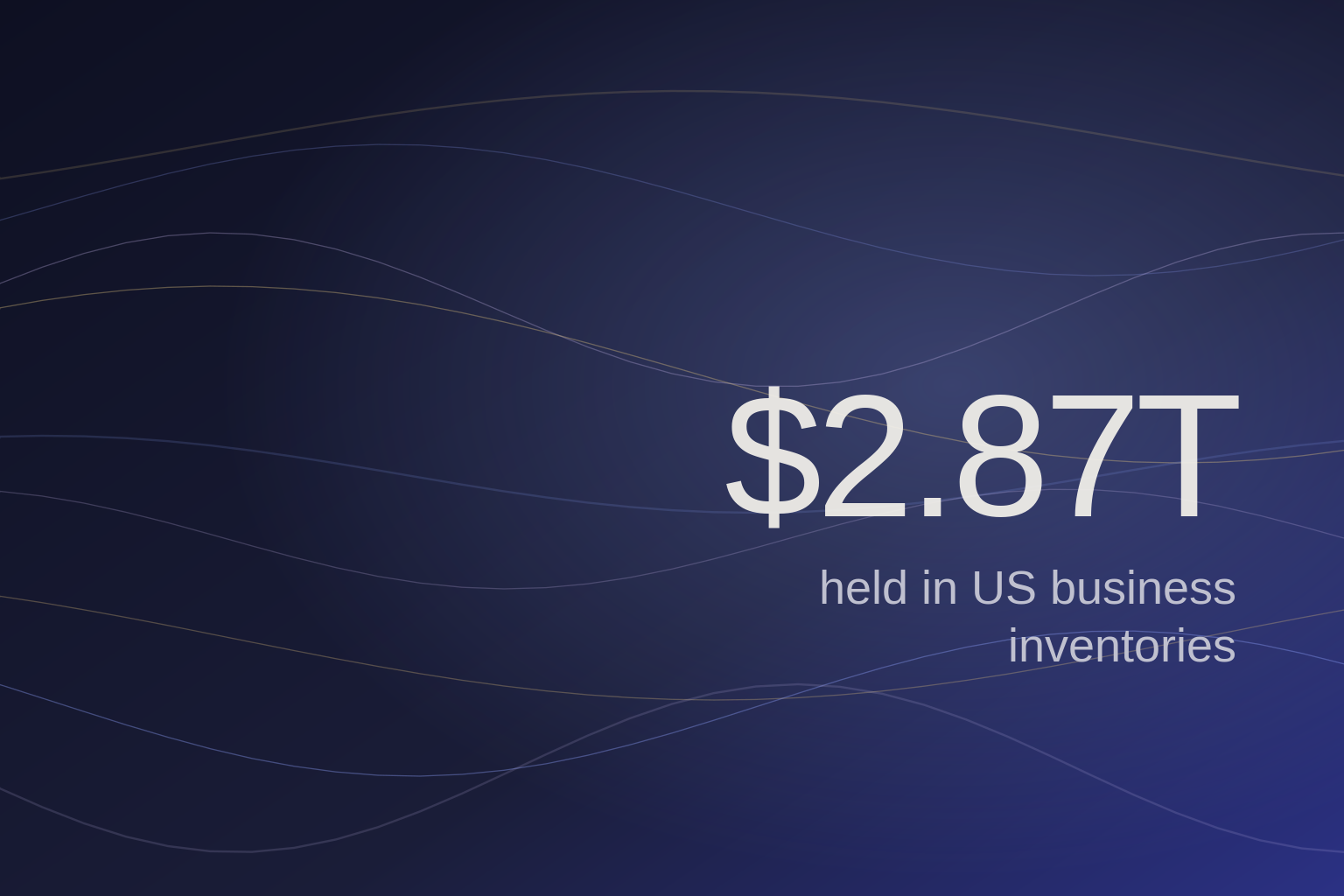
AI inventory optimization treats safety stock as a weekly decision
US businesses hold close to $2.9 trillion of inventory, and much of it is set by safety stock and reorder parameters that are reviewed once a year for thousands of items. Leading manufacturers, distributors and retailers now use AI to reset those parameters every week and release working capital at a fixed service level.
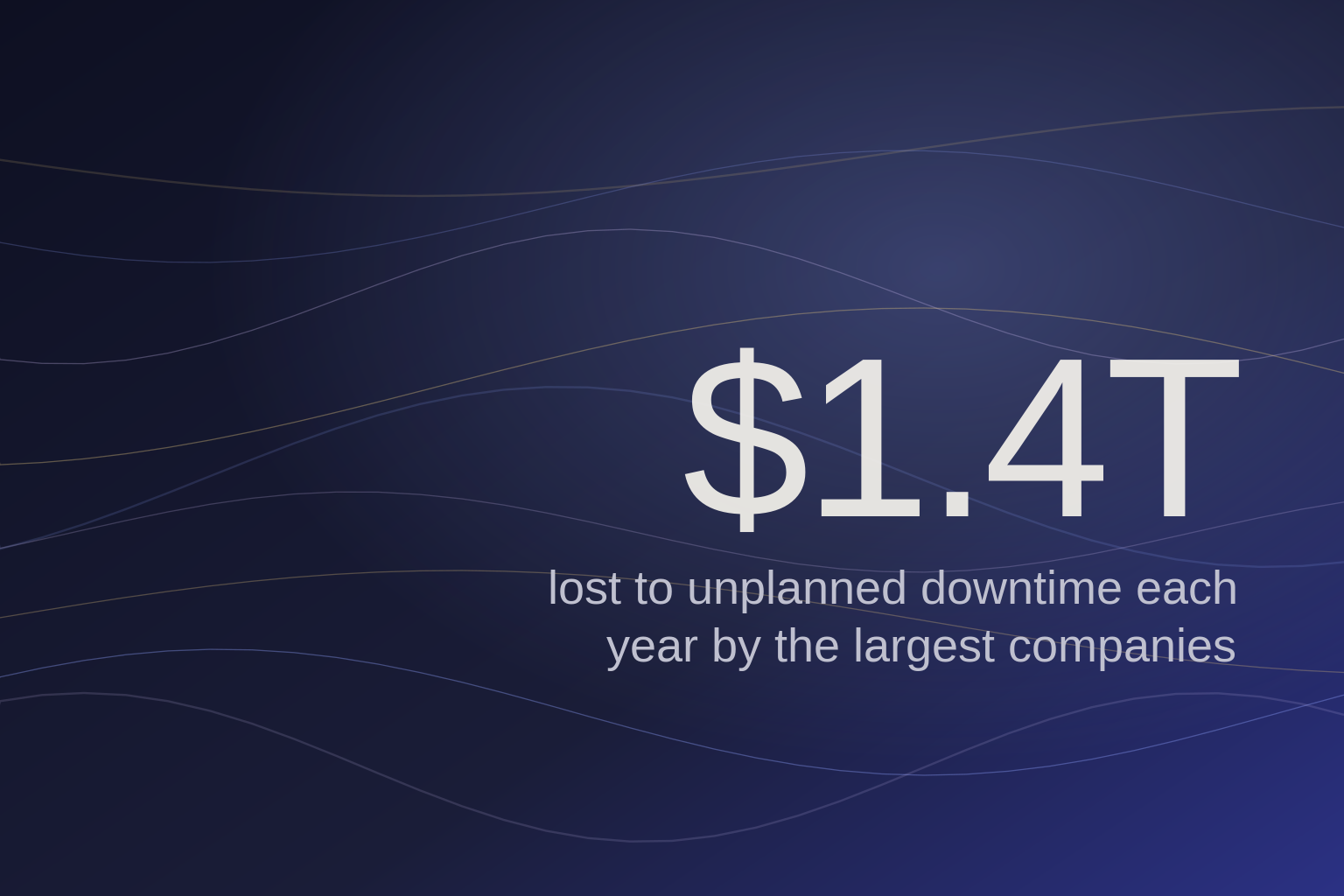
Predictive maintenance AI should be judged in downtime dollars
Large plants have cut the hours they lose to breakdowns by almost a third since 2019, yet the bill keeps rising because each lost hour now costs far more. Leading manufacturers make it an early step in their AI transformation, with agents that rank failure risk by what a stoppage would cost and turn each warning into planned work.
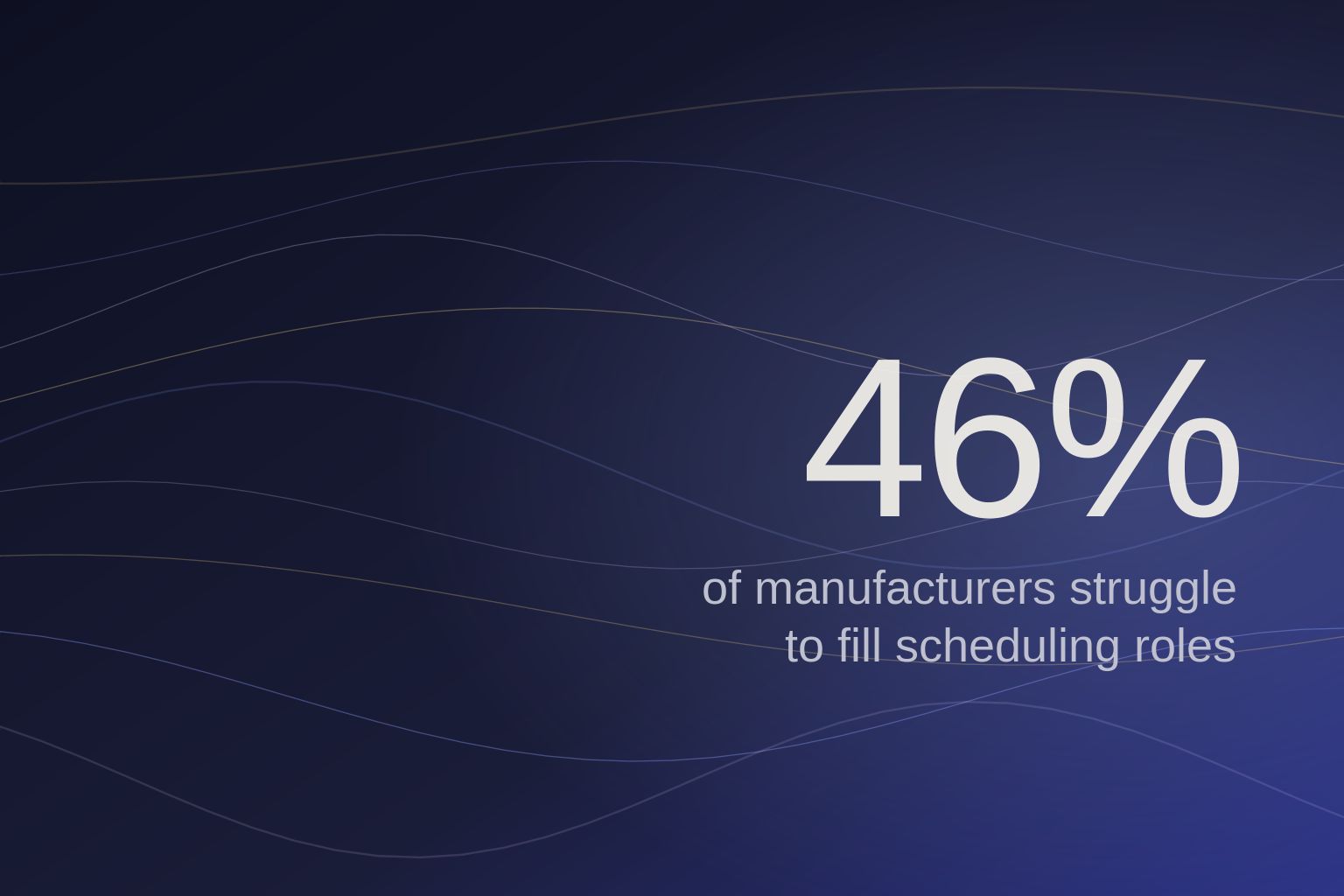
AI production scheduling turns constant replanning into a managed decision
Plant schedules often break within hours of being published, and planners rebuild them by hand many times a week while the roles themselves get harder to fill. Leading manufacturers now make scheduling a step in their AI transformation, with agents that re-solve the schedule within minutes of a disruption and planners who approve the changes.
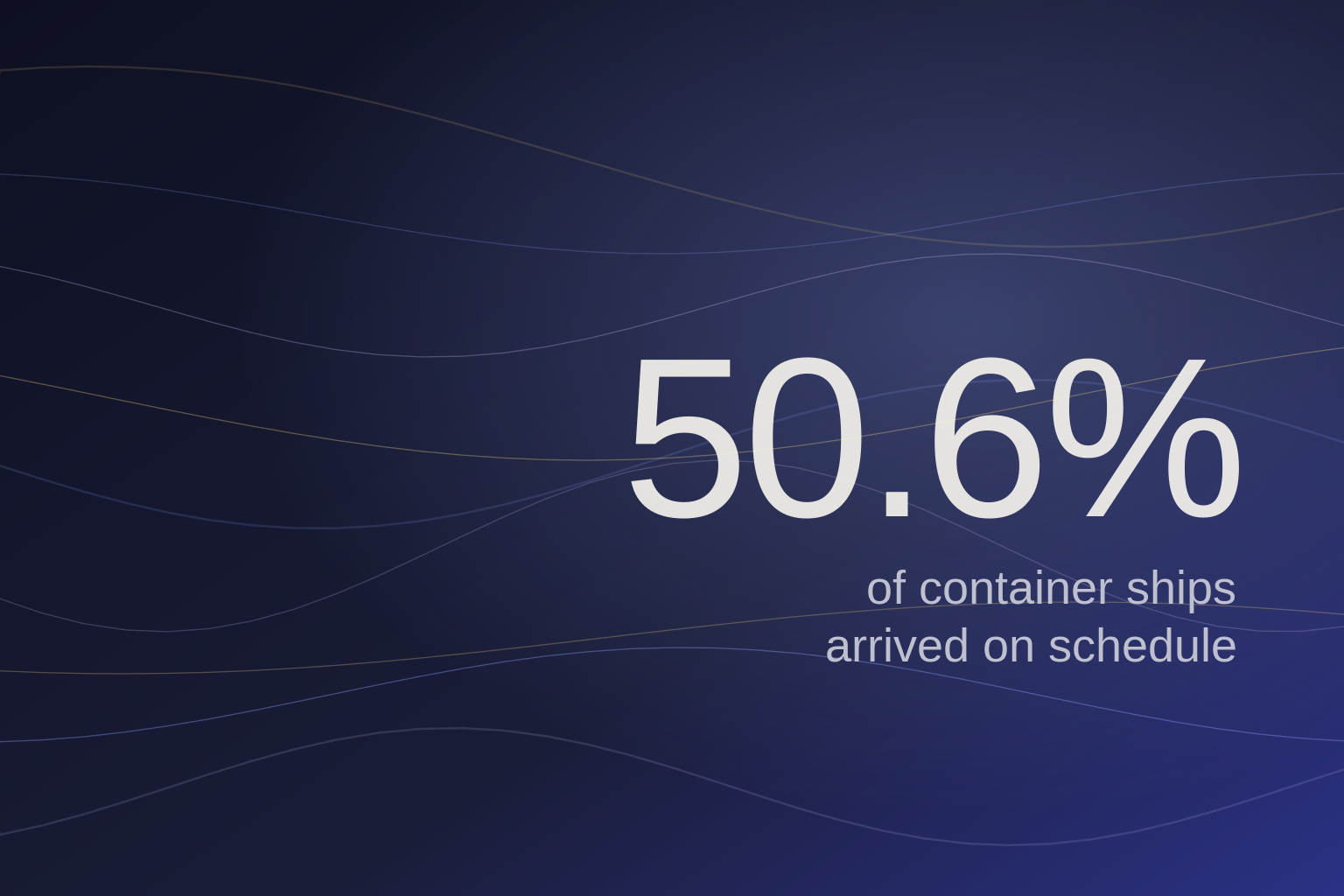
Supply chain control towers pay off when AI closes the exceptions
Only about half of container ships now arrive on schedule, and the late ones run close to a week behind, so late purchase orders and changed ETAs have become the daily work of supply chain teams. Leading companies use AI to resolve routine exceptions within set playbooks and escalate the rest with evidence attached.
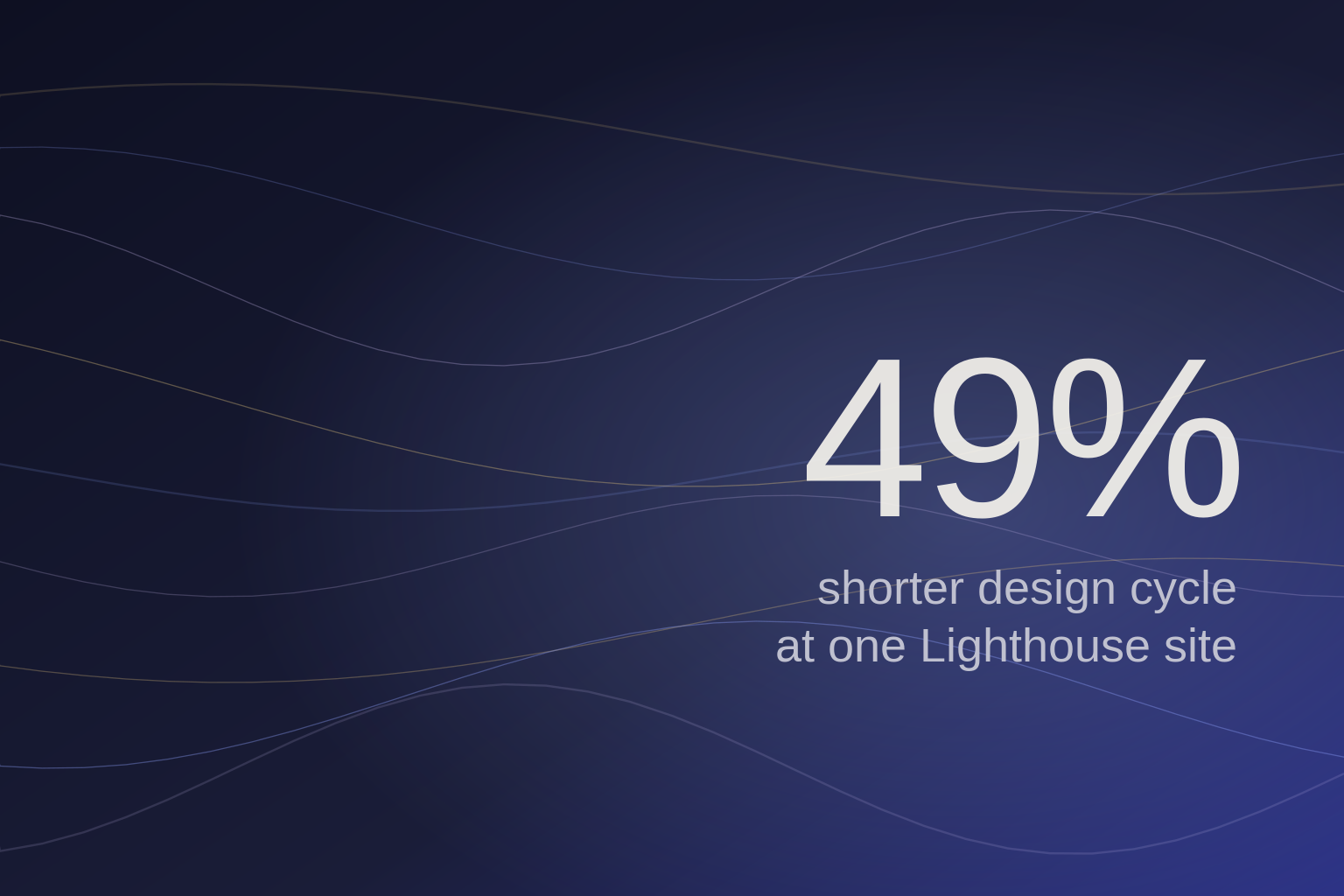
Generative AI is shortening product development cycles in manufacturing
Most engineering teams now use AI assistants, yet fewer than one in ten has a mature, scaled program, because faster design work still queues at reviews and change boards. Leading manufacturers treat engineering as a step in their AI transformation, using agents to explore more variants and answer quotes faster, and they redesign the review process so the time saved reaches the launch date.
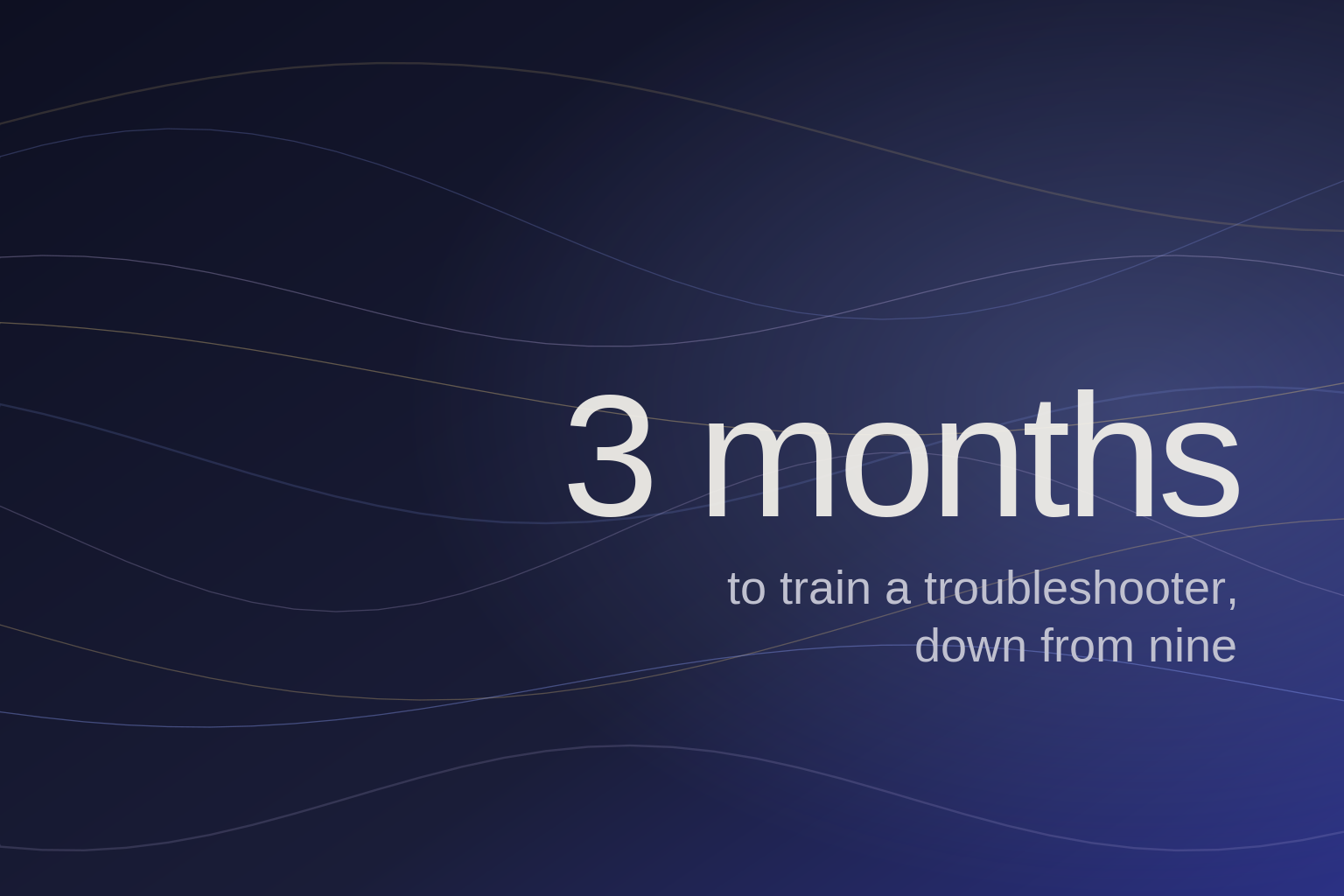
Maintenance copilots turn veteran know-how into plant capacity
Troubleshooting skill has lived in the heads of veteran technicians and took the better part of a year to pass on, while US manufacturers may leave 1.9 million jobs unfilled by 2033. Leading plants now make the copilot a step in their AI transformation, giving technicians agents built on their own record of past fixes.
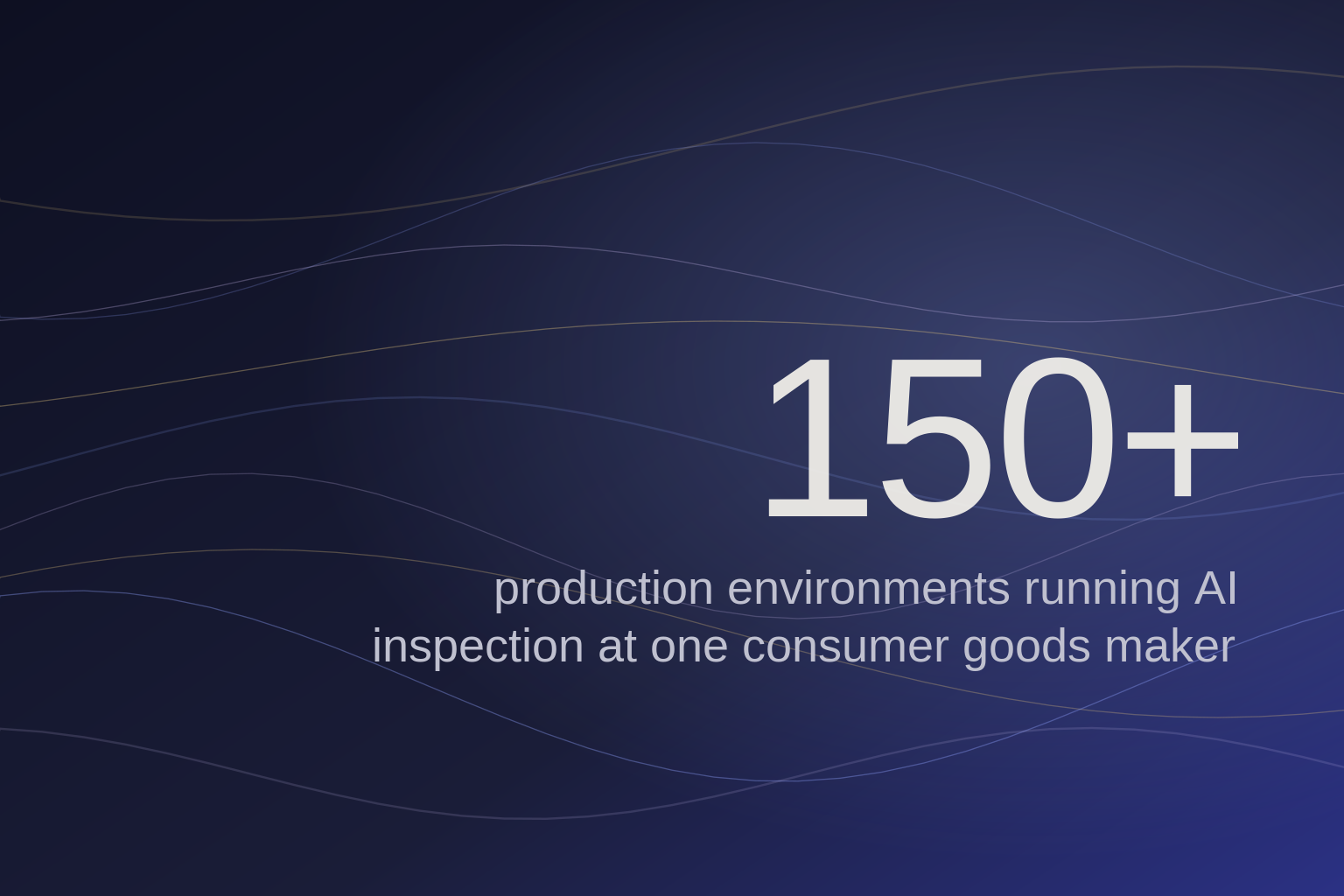
AI visual inspection pays off when defects steer the process
Rules-based machine vision needed retuning whenever a product, material or light changed, so most lines kept relying on sampling and human eyes. Leading manufacturers now run deep-learning inspection across hundreds of lines as one step in their AI transformation, with agents that feed each defect pattern back to the process that caused it.
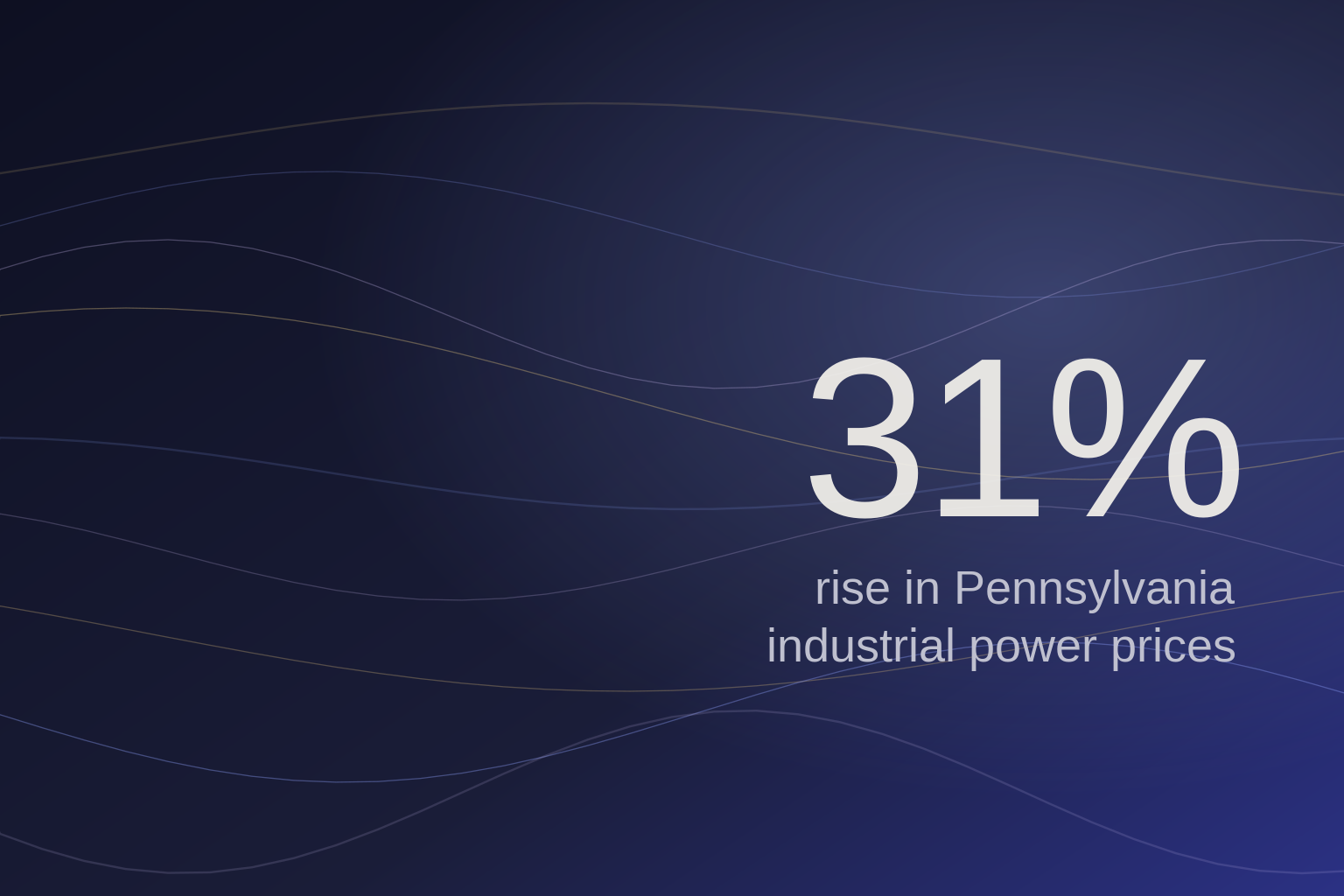
AI energy optimization in factories now has to price the peak
Industrial power prices rose 31 percent in Pennsylvania and 26 percent in Ohio in a single year, and capacity charges at some plants rose sixfold. Leading manufacturers now make energy a step in their AI transformation, with agents that forecast load and price and plan energy-heavy production around both.

Closed-loop AI optimization makes every shift run like the best one
In refineries, chemical plants and other process industries, output has long depended on who sat at the console, because control models could not keep pace with changing equipment and feedstock. Leading operators now make closed-loop control a step in their AI transformation, with optimizer agents that learn from plant history and adjust setpoints every few minutes within limits operators set.
Why new plants are built but not producing
Manufacturing plant construction delays increasingly appear after the building is finished, when power, permits, tools and customer qualification must converge on one start of production date. Leading manufacturers are managing that final stretch as one network of priced obligations shared by every team and vendor involved.
Assisted supply planning closes the gap between S&OP and the daily plan
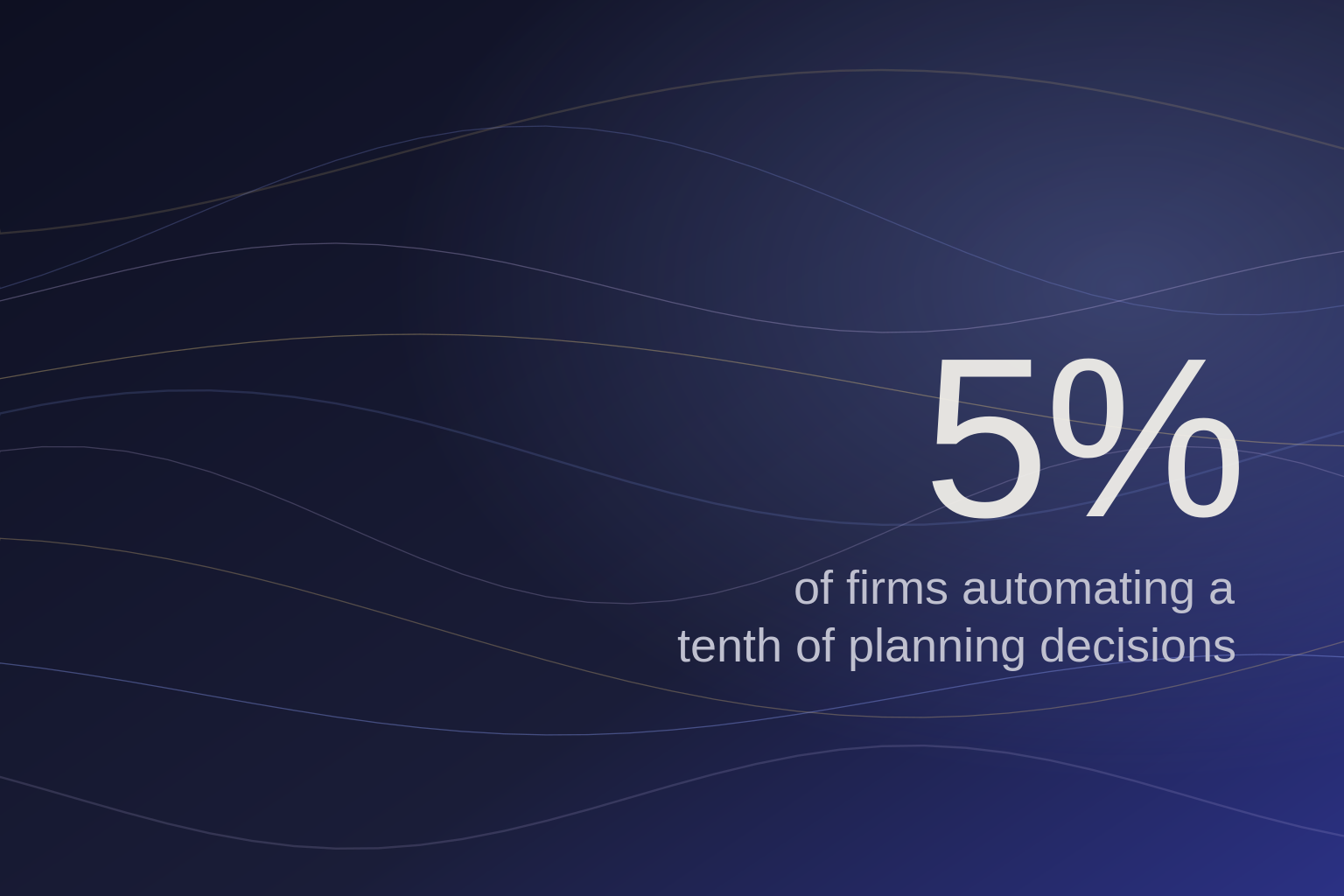
Most large companies have spent millions on advanced planning systems, yet their monthly S&OP plan still breaks within days and planners repair it by hand in spreadsheets. Leading manufacturers and distributors now use AI to repair the plan inside agreed limits and to learn from every override.
AI demand sensing moves the forecast to where stockouts happen
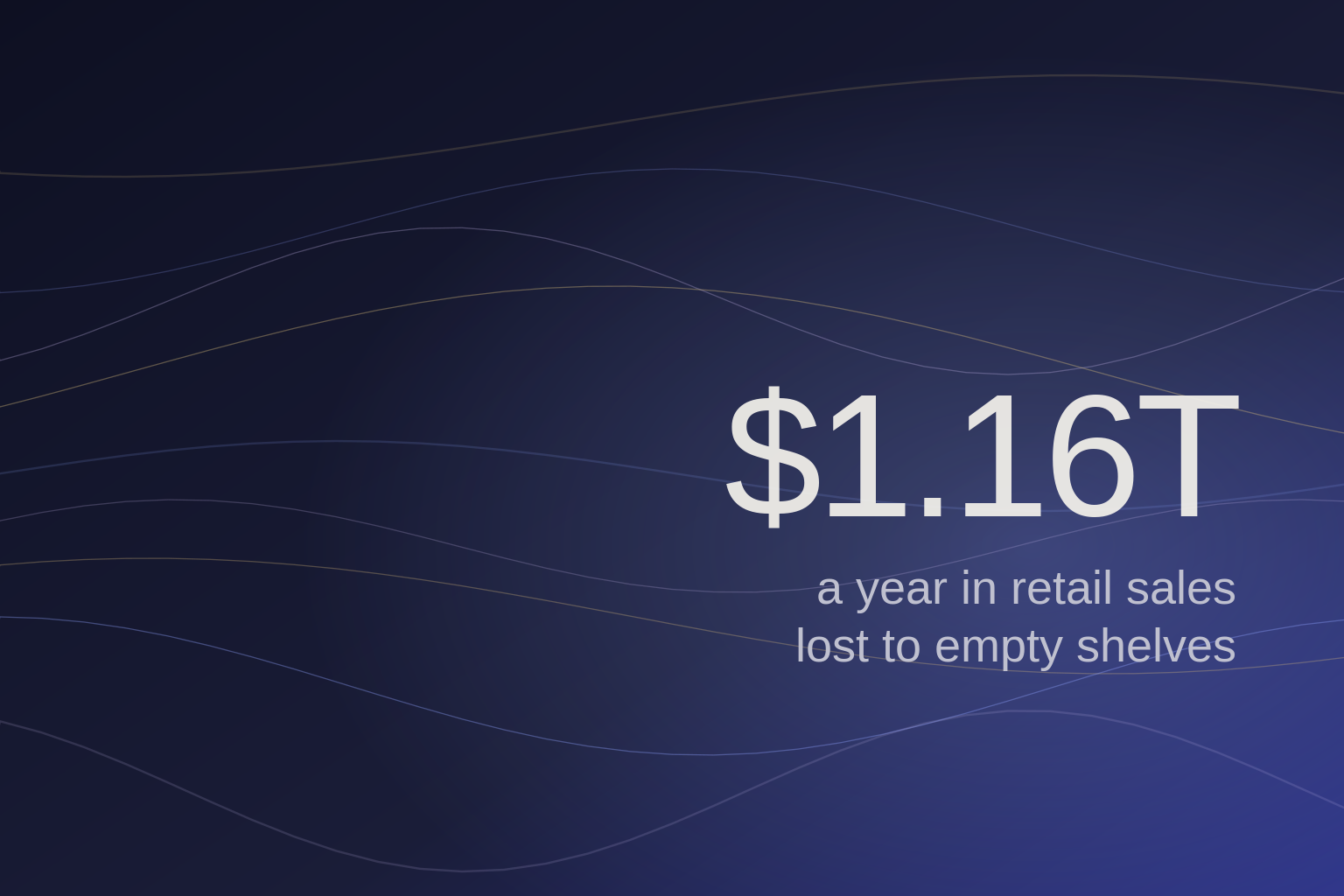
Retailers lose more than a trillion dollars a year to empty shelves, because forecasts are agreed monthly at a level far above the store and the week where demand is felt. Leading manufacturers and retailers use AI to re-forecast every item and location from daily signals and send planners only the calls needing judgment.
AI supplier risk monitoring links each alert to the orders it threatens
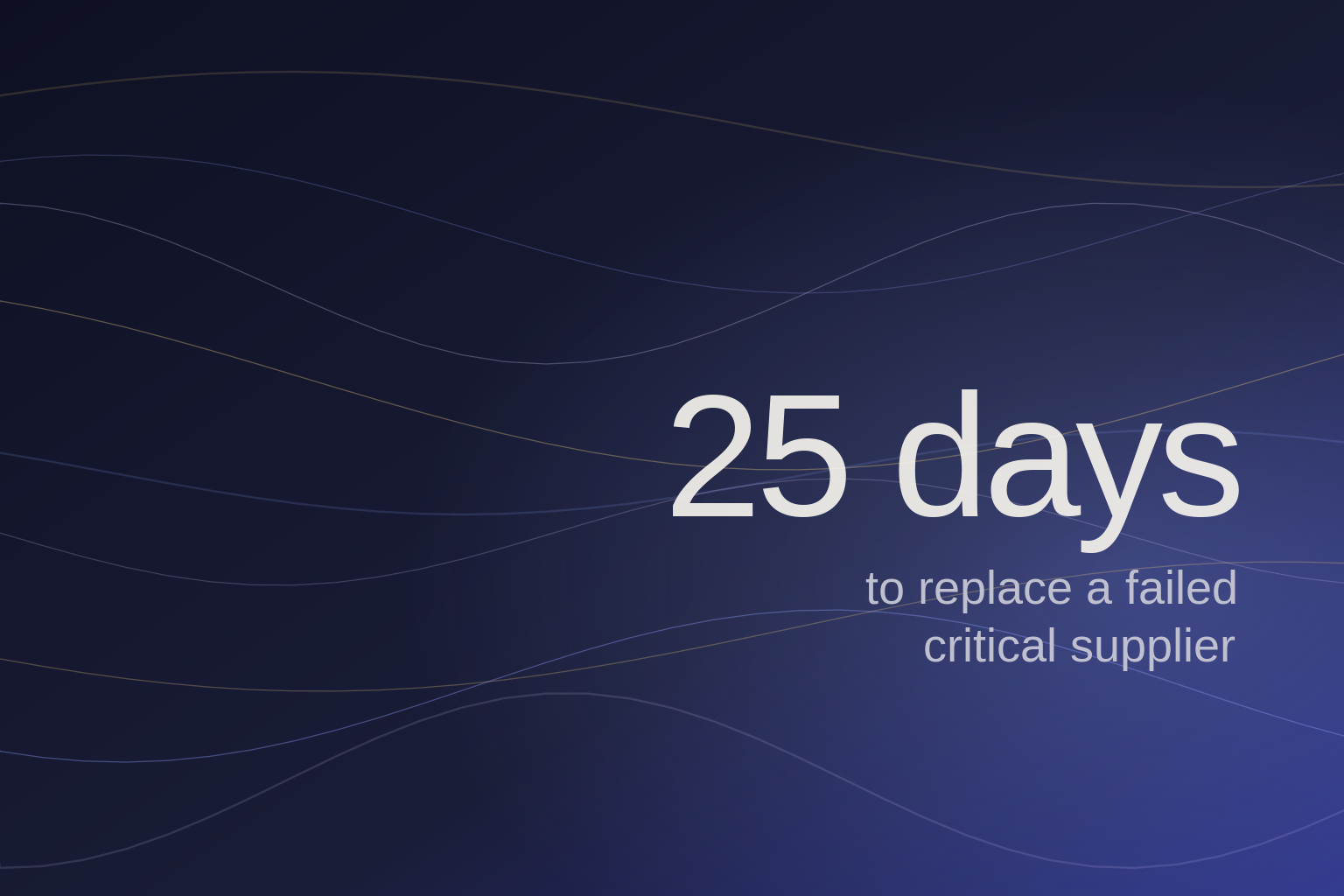
Companies need about 25 days on average to replace a critical supplier that fails, and most still check supplier risk by hand while news alerts pile up unread. Leading manufacturers and retailers now use AI to tie every risk signal to the parts, orders and revenue it threatens, and to act before the shortage arrives.
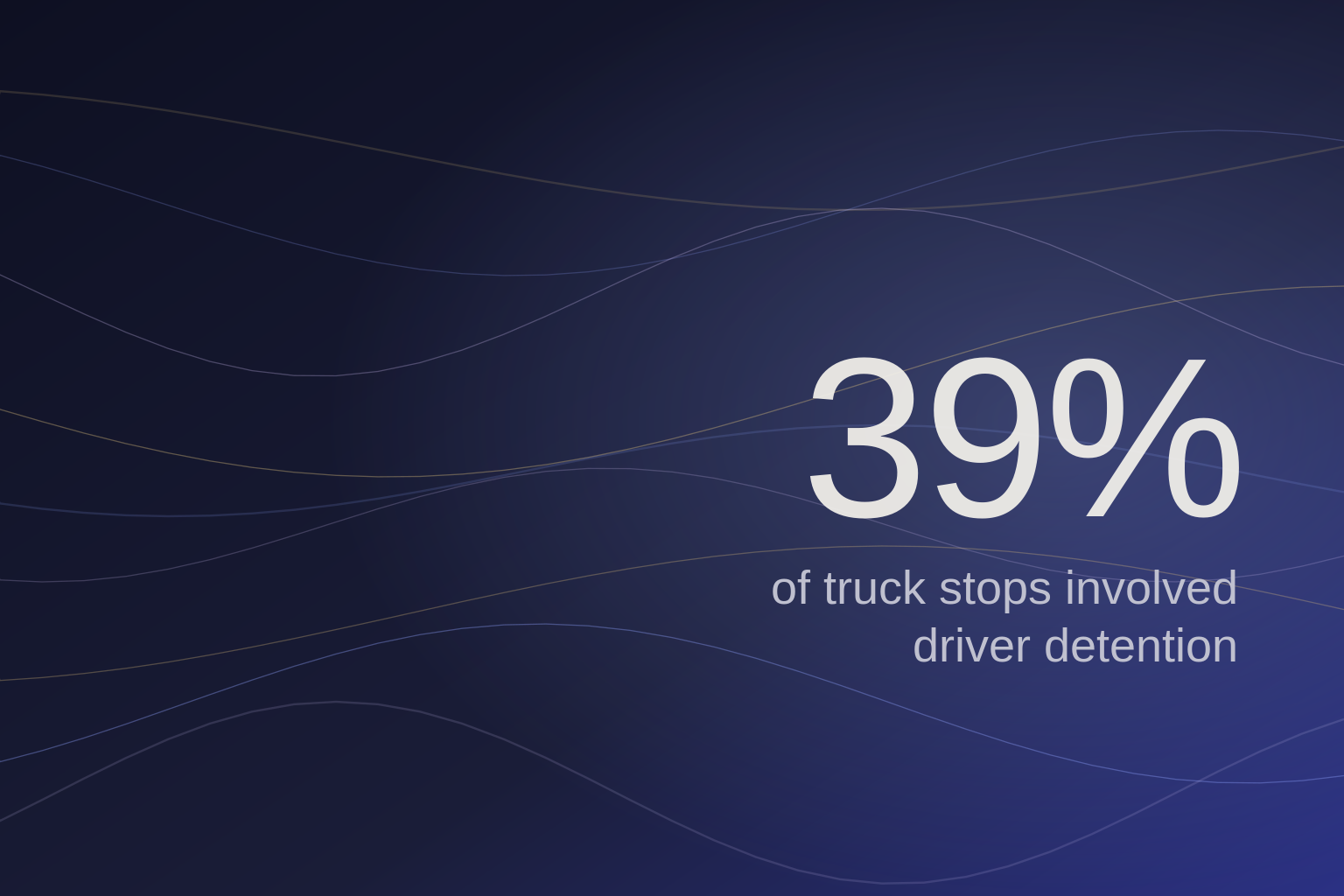
AI freight procurement starts at the shipper's own dock
Truckload contracts are not binding, so carriers reject loads when markets tighten and shippers pay spot rates far above contract, while drivers wait hours at shippers' own docks. Leading shippers now use AI to price and tender freight in seconds, schedule docks against real dwell times and become the customer carriers choose.
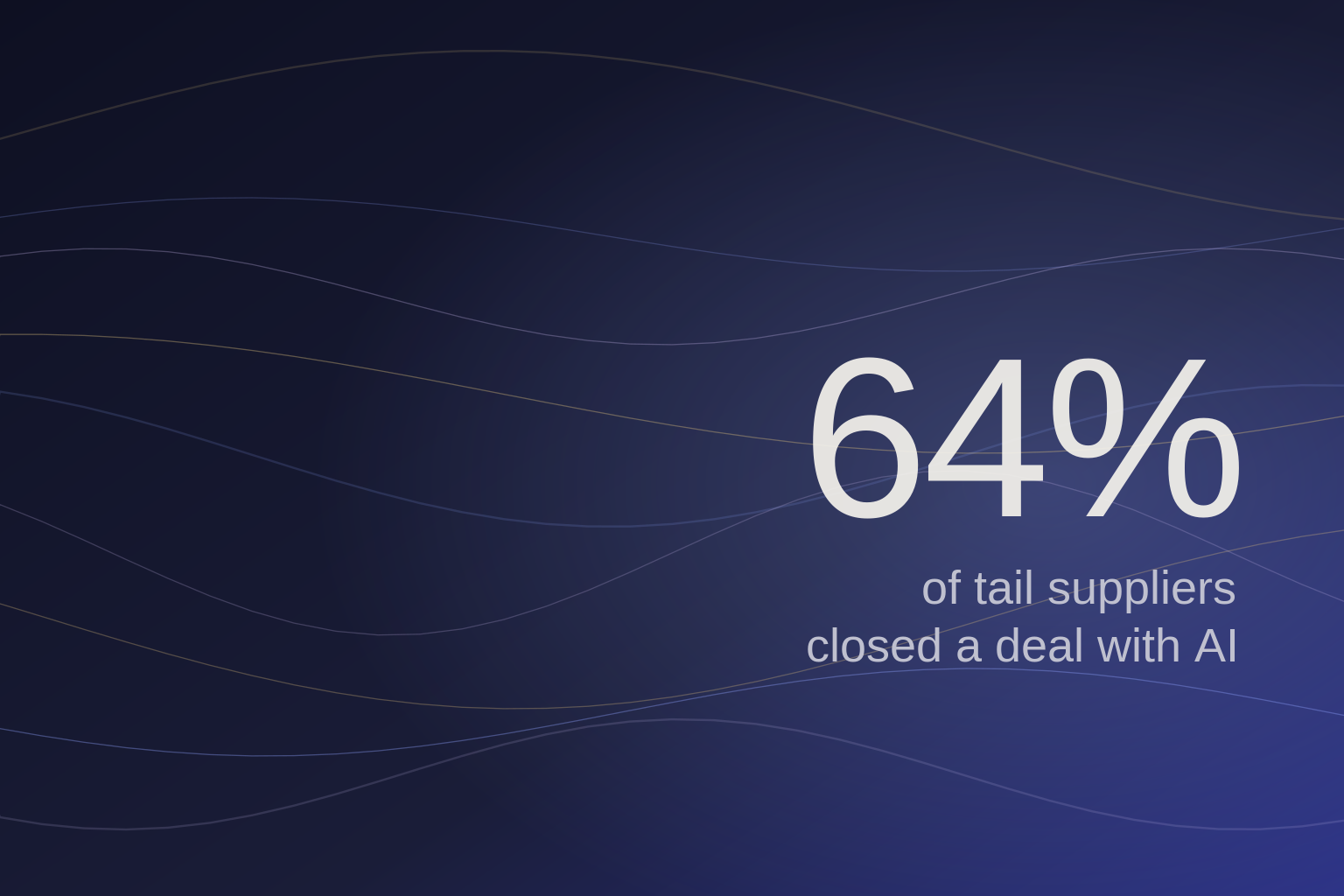
AI negotiation agents bring procurement tail spend under contract
Most suppliers in a large company's base sign standard terms that nobody negotiates, because a buyer's time costs more than the savings on a small contract. Leading buyers now deploy AI negotiation agents that bargain with every tail supplier inside limits set by category managers.
AI in manufacturing, answered.
How does AI inventory optimization free up working capital?
AI inventory optimization recalculates safety stock and reorder parameters for every item and location each week, using current demand, lead times and service targets. Items carrying more stock than their service level needs are reduced, while those at risk of stockouts are protected. Planners approve the changes, and working capital is released at the agreed service level.
How is AI used in manufacturing operations?
Manufacturers use AI agents to re-solve production schedules after disruptions, rank equipment failure risk by downtime cost, inspect parts with deep-learning vision and adjust process setpoints within operator limits. Maintenance copilots give technicians quick access to the plant's own record of past fixes. In each case the agent prepares a decision and a planner, engineer or operator approves it.
What is AI supply chain exception management?
AI exception management allows agents resolve routine supply chain exceptions, such as late purchase orders, changed ETAs and short shipments, within playbooks the team has agreed. Exceptions outside those limits go to a planner with the evidence attached. The control tower then becomes a place where problems are closed, and planners spend their time on the calls needing judgment.
Where should a manufacturer start its AI transformation?
Most manufacturers should start with inventory optimization for working capital and supply chain exceptions, because the cash and service effects are measurable within months. Production scheduling, predictive maintenance and supplier risk monitoring usually follow. Closed-loop quality, process and energy control comes later, once the people who run the lines trust the plant data and operator limits.
See what Segeta would catch in your business.
Tell us about one workflow where delay costs money. We will show you where the value leaks and what an agent would do about it.