AI Implementation for Hospital Operations
From prior authorization automation to hospital discharge delays.
AI transformation in healthcare delivery means redesigning the work between clinics, payers, post-acute providers and patients, where most delay and lost revenue sit. Value leaks through prior authorizations that wait on payers, hospital discharge delays that block beds, referrals that never become visits and access centers that leave calls unresolved. AI agents work those queues while clinicians approve each decision.
Most hospitals and clinic chains have already bought AI for documentation and reminders, yet capacity, cash and access still depend on queues that sit between teams. A pending discharge waits on a skilled nursing bed, a prior authorization waits on a payer portal, and an advised follow-up waits for someone to book it. Each queue has a cost by the day, and few have a named owner. The larger gain from AI agents comes from reimagining these processes end to end, so that every open item has an owner, a deadline and a daily cost, and an agent prepares the next action for a person to approve.
A practical AI roadmap for healthcare delivery starts where the money and the beds are visible, in prior authorization automation and discharge management, and then moves to patient access, referrals and engagement between visits. Capacity forecasting for operating rooms, emergency departments and nurse staffing follows once the operational data is trusted. Segeta builds these agents over the systems a health system already runs, with clinicians and coordinators approving every change, and measures each step against a baseline agreed before the build. The same sequence moves each use case from AI pilot to production on evidence the finance team accepts.
The problems AI agents now take on in healthcare.
Slow payer decisions hold up care and cash at the same time, and slow authorizations can cost a 300-physician group about $94,000 a day.
Read the analysis →Hospital discharge delaysPatients who are medically ready to leave wait on post-acute providers, health plans and families, and avoidable bed-days can cost a 400-bed hospital about $65,000 a day.
Read the analysis →ED boarding and hospital capacityIn hospital-months with occupancy above 85 percent, admitted patients wait a median of 6.6 hours in the emergency department for a bed.
Read the analysis →Patient access center call resolutionAbout 40 percent of scheduling interactions at health systems go unresolved on first contact, and many of those patients are lost on hold or in a callback queue.
Read the analysis →Referral leakage after consultationIn one large health system, only 35 percent of primary care referral attempts ended in a documented specialist visit.
Read the analysis →Patient no-show reductionAbout 32 percent of US medical groups reported higher no-show rates in 2026 than in 2025, even after adding automated reminders.
Read the analysis →Where to start, and what comes next.
First: revenue and bed flow
Begin with prior authorization automation and discharge management, where every waiting day carries a cost the finance team already tracks.
Prior authorization is a revenue problem that starts in the clinic
The real cost of a blocked hospital bed
Next: patient access and referrals
Extend agents to the access center and referral intake so that more demand turns into booked and kept visits.
AI agents turn the patient access center into a growth engine
AI referral intake closes the loop before patients are lost
Where patients slip away after the consultation
Then: engagement between visits
Add no-show prediction and care plan follow-up, so outreach goes first to the patients most likely to drift.
No-show prediction pays off when a person acts on the score
Why care plans stall between visits
Later: capacity forecasting
Forecast occupancy, operating room blocks and nurse staffing days ahead once the operational data has earned trust.
Capacity forecasting moves ED boarding decisions days upstream
Predictive block scheduling recovers operating room time before it expires
AI nurse staffing turns late shift gaps into early decisions
Every team and every system, connected in one place.
One live model of the operation
CommitmentsHandoffsApprovalsExceptionsCashInsights on AI in healthcare.

Prior authorization is a revenue problem that starts in the clinic
Prior authorization delays hold up care and cash at the same time, and the work that causes them sits between clinics, payers and patients. Leading medical groups now give each authorization a named coordinator, a decision deadline and a dollar cost for every day it waits.

The real cost of a blocked hospital bed
Hospital discharge delays now consume a growing share of inpatient capacity, as patients who are medically ready to leave wait on post-acute providers, health plans and families. Leading hospitals now give each pending discharge a named owner, a target time and a daily cost.
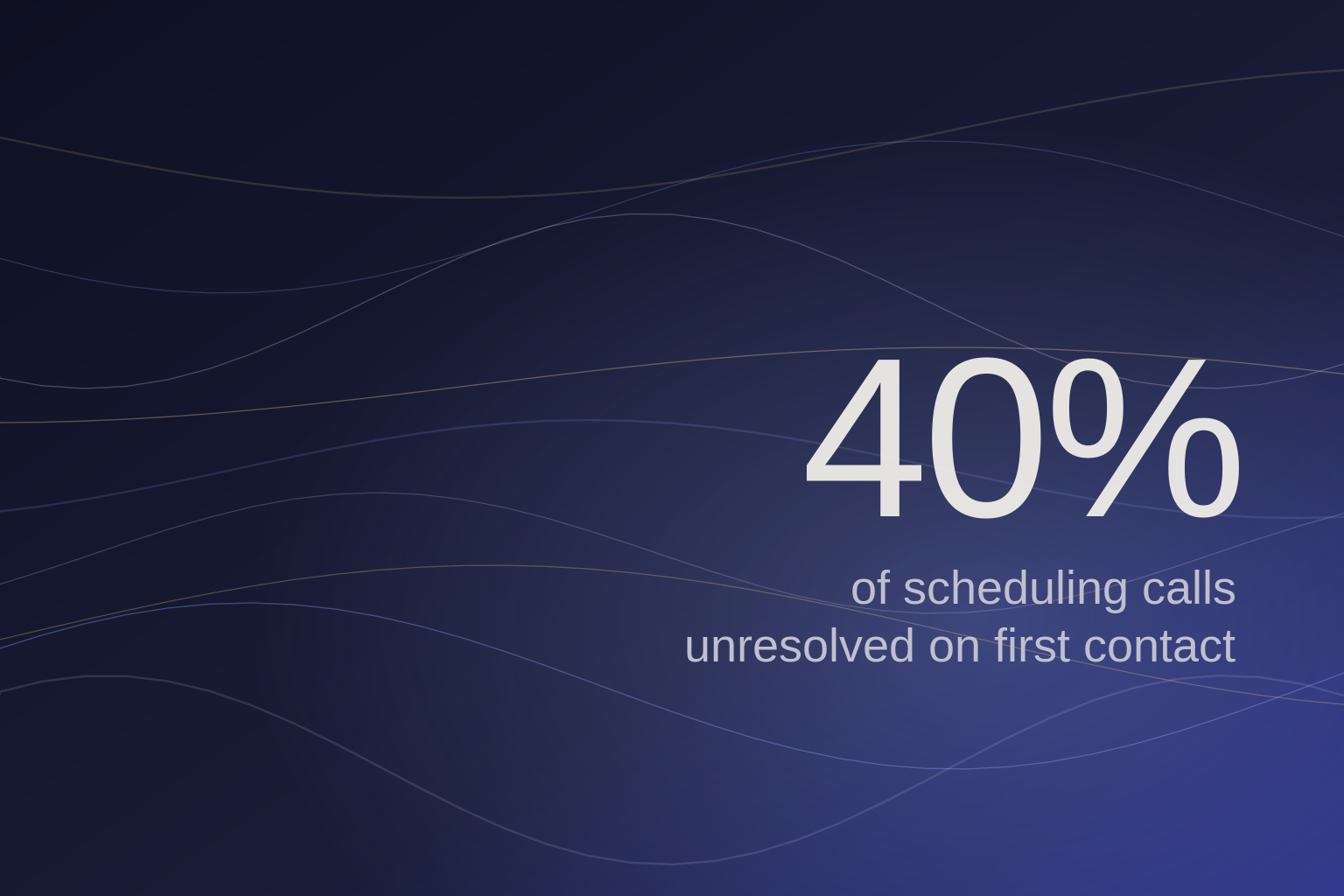
AI agents turn the patient access center into a growth engine
Health systems spend heavily to attract patients, then lose many of them on hold or in a callback queue. Leading chains now make AI agents that answer, triage and book against live schedules an early step in their AI transformation, and they measure the access center on conversion to a booked visit.
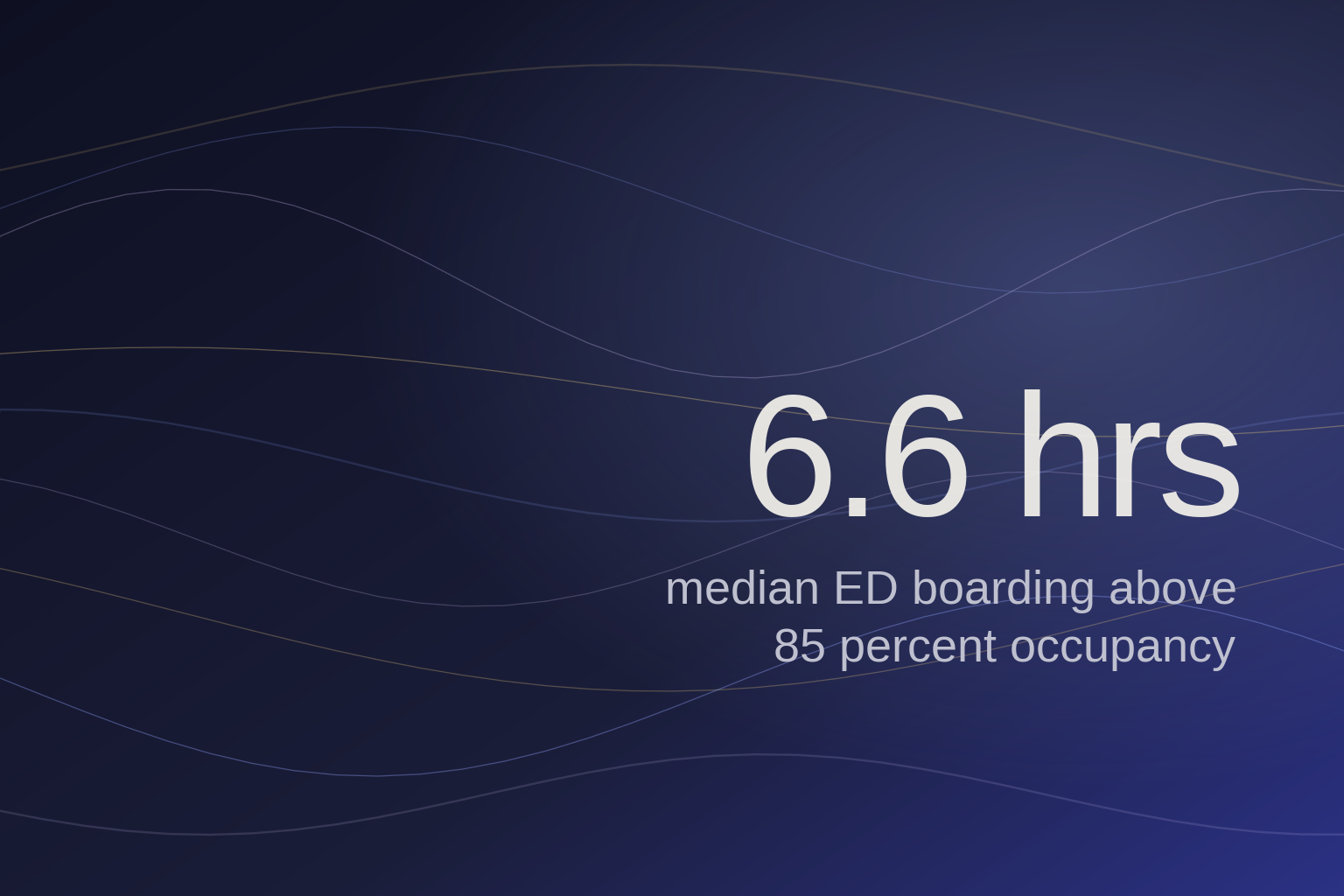
Capacity forecasting moves ED boarding decisions days upstream
Admitted patients wait hours in emergency departments once hospital occupancy passes 85 percent, and CMS will soon require hospitals to report how long. Leading hospital groups have folded capacity forecasting into their AI transformation. Their AI agents forecast occupancy by unit days ahead and prepare action on elective schedules, transfers and staffing before the ED fills.
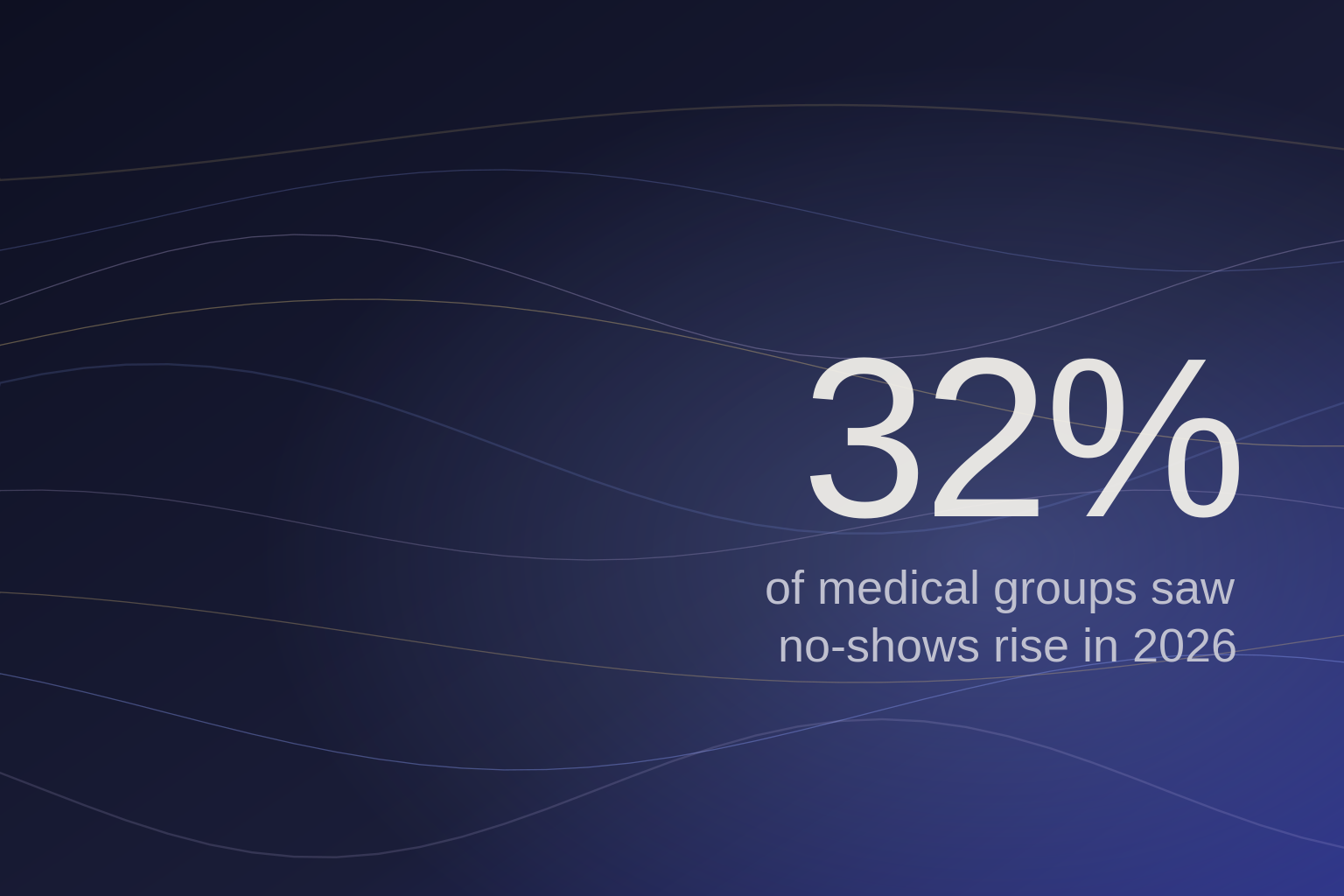
No-show prediction pays off when a person acts on the score
About a third of US medical groups saw no-show rates rise in 2026, even after adding automated reminders. Leading health systems now make no-show prevention a step in their AI transformation. AI agents rank every appointment by risk, and people or agents reach the patients most likely to miss and remove the barrier in the way.

Why care plans stall between visits
Most of a chronic or specialty care plan is carried out between appointments, in refills, home readings and scheduled returns that no single team owns. Leading health systems are managing patient engagement between visits as a set of owned obligations, with the right care team member following up when a plan begins to drift.

Where patients slip away after the consultation
Health systems spend heavily to win the first visit, yet much of a patient relationship's value is decided afterward, when follow-ups, diagnostics and referrals wait for someone to book them. Leading networks now assign every advised follow-up, referral and result to a named care-team member who sees it through to a kept appointment.
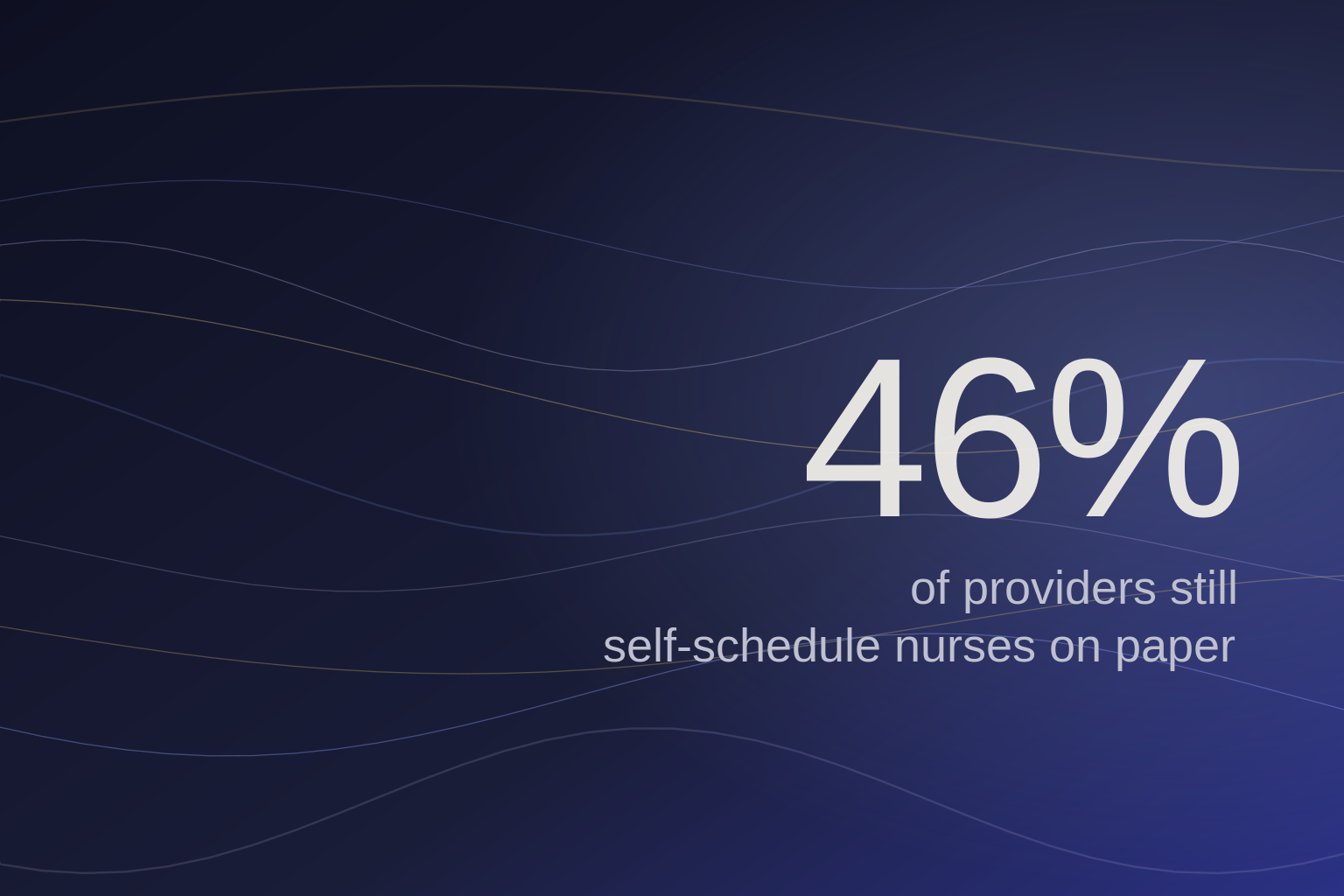
AI nurse staffing turns late shift gaps into early decisions
Hospitals lose millions each year to nurse turnover and premium labor, while many still build schedules unit by unit in spreadsheets. In leading health systems, staffing is now part of the AI transformation, with AI agents forecasting demand by unit and shift, finding gaps days earlier and filling them from internal pools before premium rates apply.
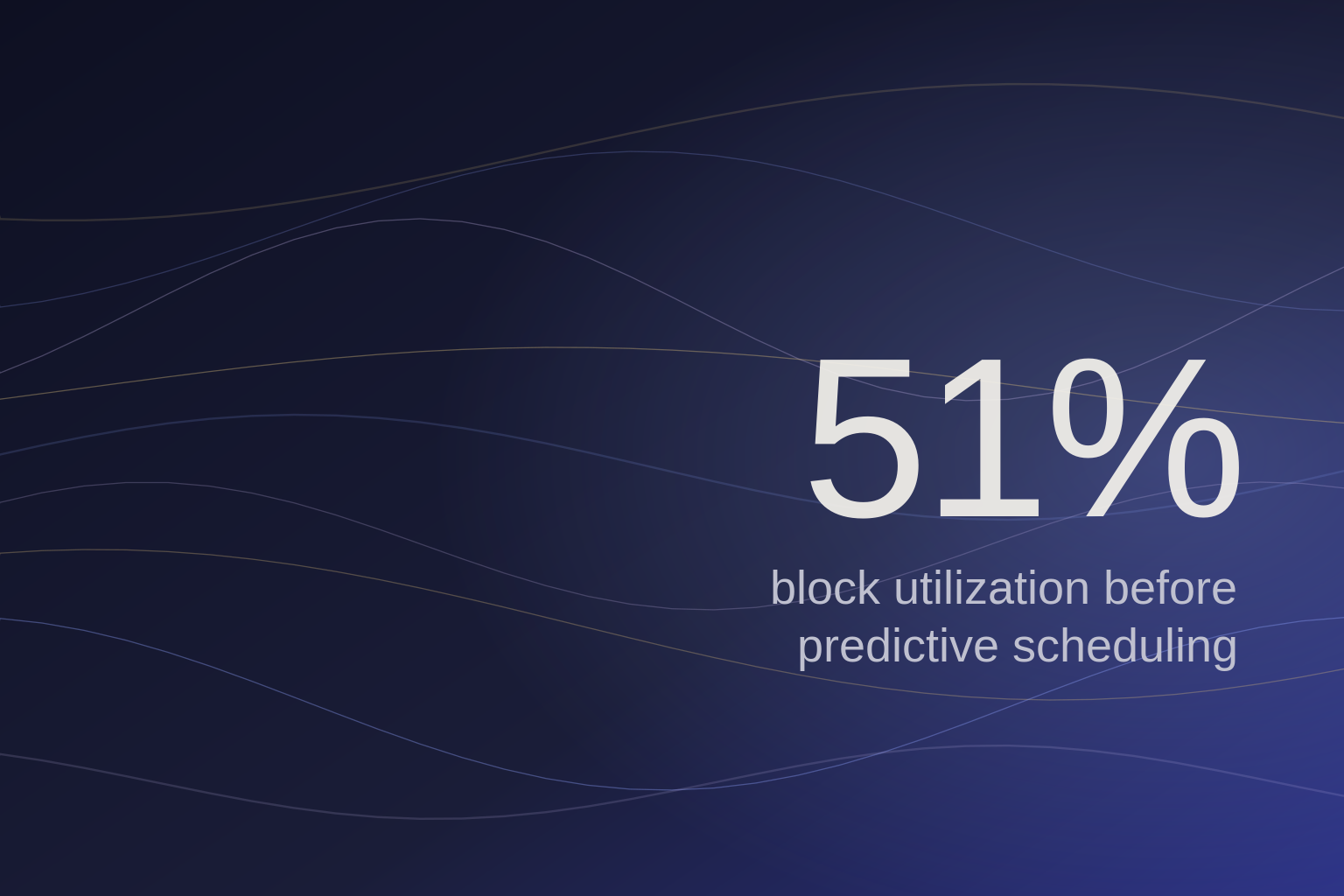
Predictive block scheduling recovers operating room time before it expires
Operating room time costs health systems tens of dollars a minute, yet large shares of reserved block time go unused or are released too late to fill. Leading systems now make block scheduling a step in their AI transformation, using AI agents to forecast which blocks will go idle weeks ahead and to move that time to surgeons with cases waiting.
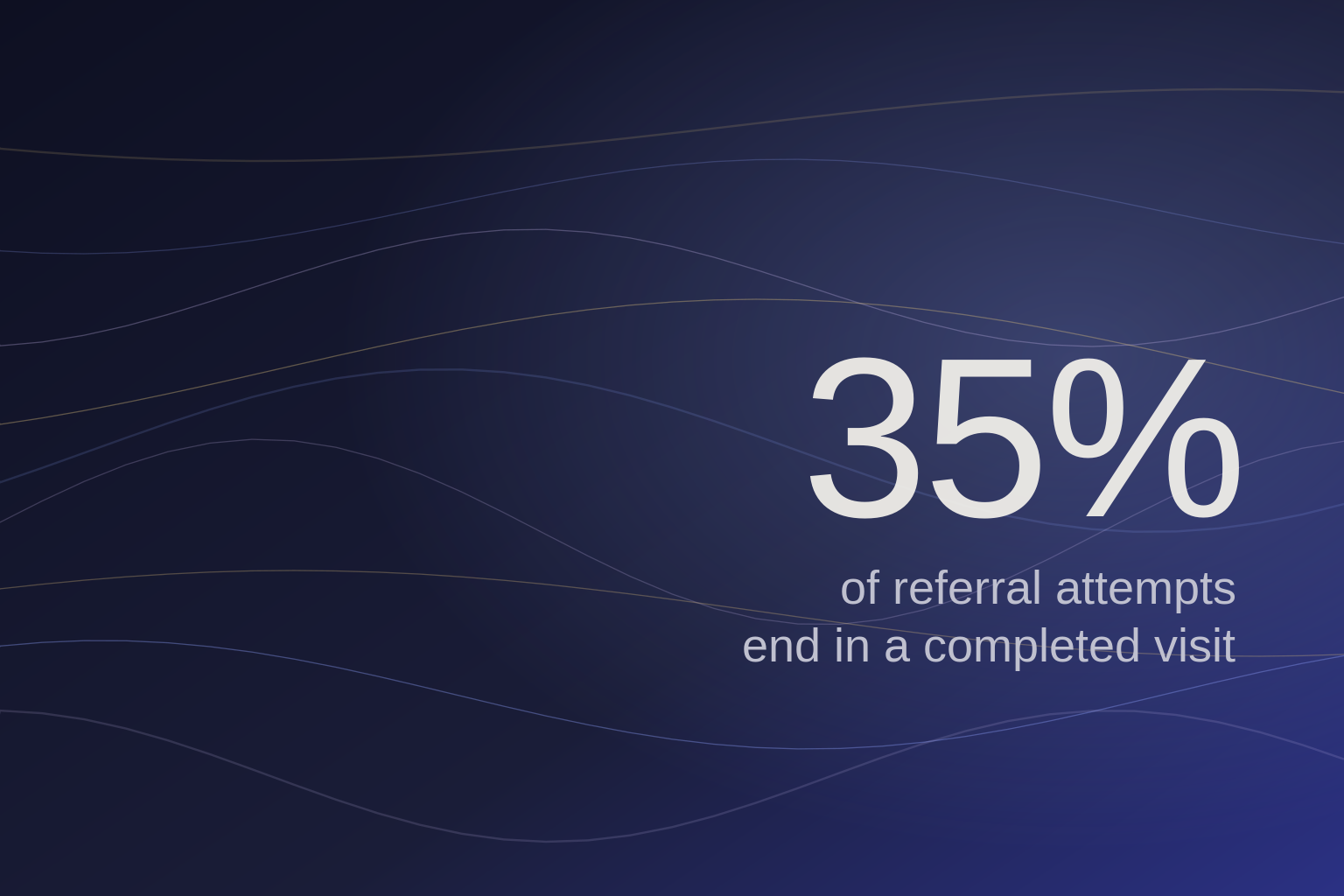
AI referral intake closes the loop before patients are lost
In one large health system, only about a third of primary care referral attempts ended in a documented specialist visit, and much of the loss happened before any patient made a choice. In leading networks, AI transformation now starts at referral intake, where AI agents read, match and act on every inbound referral within hours of arrival.
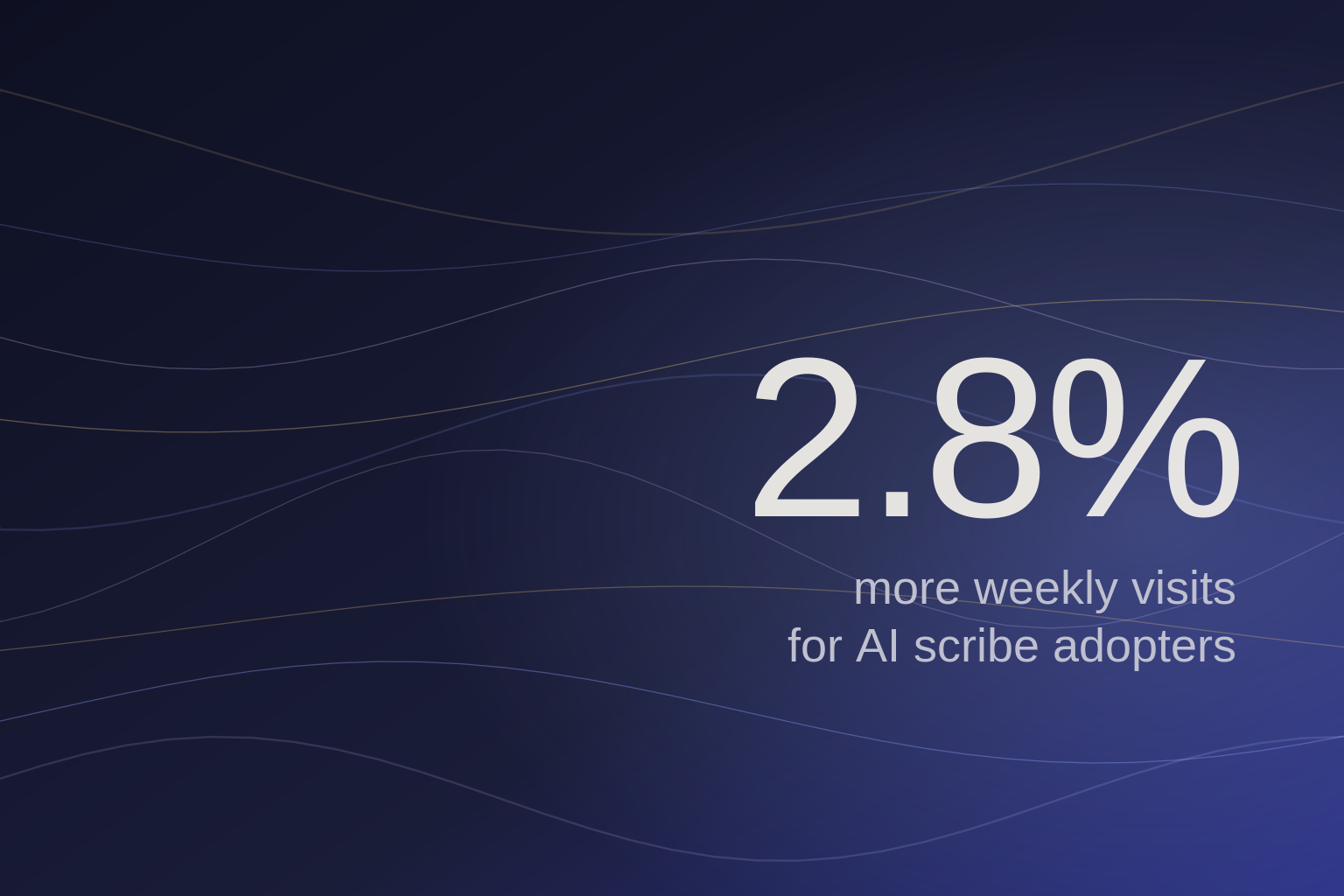
Ambient AI scribes become an access lever when clinic templates change
Clinicians in large health systems spend evenings finishing notes while new patients wait weeks for a slot. Leading systems now treat ambient AI documentation as an early step in their AI transformation, reimagining the clinic process around access so the time a documentation agent returns becomes appointments.
AI in healthcare, answered.
How is AI used in hospital operations?
Hospitals use AI agents to work the queues that hold up beds, cash and access. Agents track each pending discharge, prepare prior authorization requests, triage inbound referrals and forecast occupancy by unit. Coordinators and clinicians approve every action, and each queue is measured by the days it saves and the revenue it protects.
What is prior authorization automation?
Prior authorization automation uses AI to check whether a service needs approval, assemble the clinical evidence, submit the request through the payer's portal or interface and follow it to a decision. Each authorization keeps a named coordinator, a decision deadline and a daily cost, so staff spend their time on the cases a payer is likely to question.
How can AI reduce hospital discharge delays?
AI reduces hospital discharge delays by identifying patients who will be medically ready days ahead and starting the post-acute referral, health plan approval and family conversation early. Each pending discharge gets a named owner, a target time and a daily cost, and agents chase the open items while case managers approve every placement decision.
Where should a health system start its AI transformation?
Most health systems should start where delay already has a price, in prior authorizations and discharges, because the baseline exists and the savings reach the accounts quickly. Patient access, referral intake and engagement between visits usually come next. Capacity forecasting for operating rooms, emergency departments and staffing follows once leaders trust the operational data.
See what Segeta would catch in your business.
Tell us about one workflow where delay costs money. We will show you where the value leaks and what an agent would do about it.